Active Discoveries
Excavation Map
37 sites with active excavations in the last 10 years. Explore by period, continent, or species. Click a marker to see the details.
How does an excavation work?
From spotting a bone fragment on the surface to publishing a scientific paper, a paleontological excavation can take years or decades. Each stage demands specific techniques and extreme care.
🥾
1. Prospecting
Paleontologists walk across geological formations of the right age, looking for bone fragments, teeth, or eggshell exposed by erosion on the surface. Geological maps and satellite imagery help identify promising areas. A good prospector can recognize the texture and color of fossilized bone from meters away.
⛏️
2. Excavation
The rock around the fossil is removed with progressively smaller tools: picks, hammers, chisels, brushes, and dental needles. Each bone is documented with GPS (Global Positioning System), photographs, and drawings before being removed. Excavating a single skeleton can take several field seasons (months to years).
🧱
3. Plaster jacket
Fossils are protected with layers of wet paper and plaster (like an orthopedic "jacket") before transport. Large blocks can weigh tons and require cranes or helicopters. The plaster keeps fractures from spreading during the trip to the lab.
🔬
4. Preparation
In the lab, preparators remove residual rock with micro-sandblasters, diluted acids, and pneumatic tools, a process that can take years for a single specimen. Fractures are glued, missing pieces are identified, and the fossil is stabilized with chemical consolidants.
📄
5. Publication
The fossil is described in a peer-reviewed scientific paper. If it is a new species, it receives a formal name following the International Code of Zoological Nomenclature (ICZN). From the fragment found in the field to publication, the full process can take 3 to 15 years. The holotype (reference specimen) is deposited in an institutional collection accessible to other researchers.
Active sites by country
Distribution of the 37 excavation sites mapped. The United States and Argentina lead the list, reflecting the richness of Cretaceous and Jurassic formations in the Americas.
Timeline of major discoveries
From a 19th-century personal rivalry to 21st-century CT (computed tomography) scanning techniques: the milestones that shaped field paleontology.
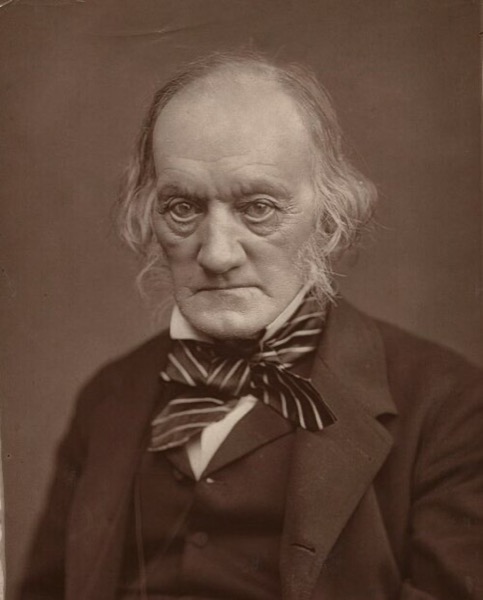
Richard Owen coins "Dinosauria"
The British anatomist groups Megalosaurus, Iguanodon, and Hylaeosaurus under the name "Dinosauria" (terribly great lizards), founding dinosaur paleontology as a discipline.
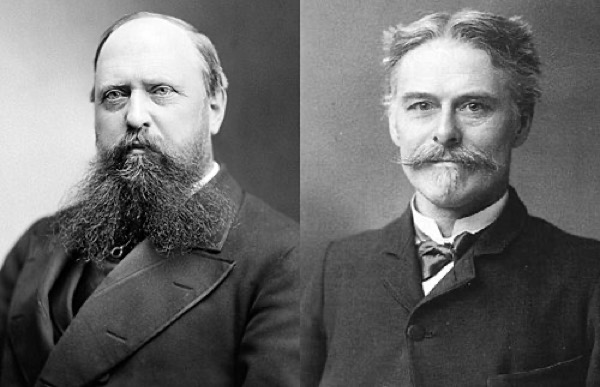
Bone Wars: Cope vs. Marsh
The rivalry between Edward Cope and Othniel Marsh produced 136 new species, including Stegosaurus, Triceratops, and Apatosaurus. It kicked off large-scale competitive excavations across the American West.
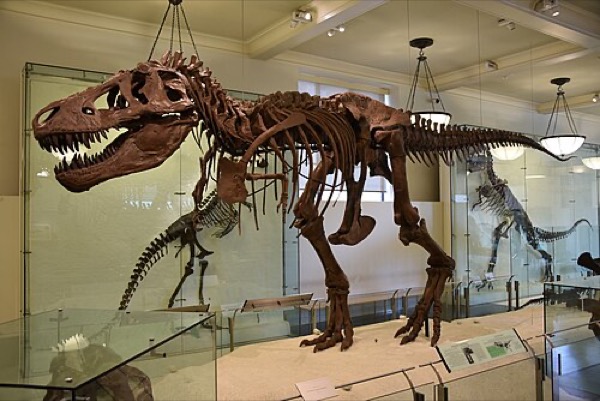
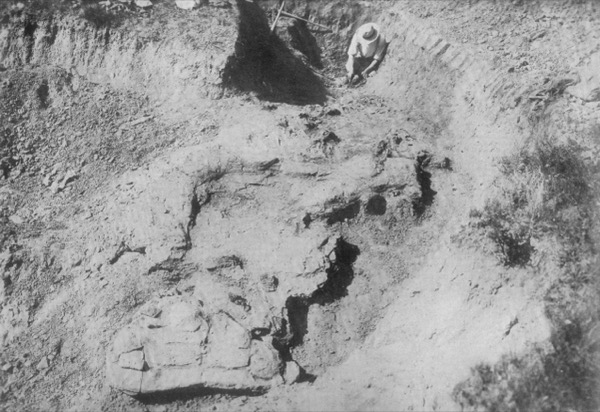
First Tyrannosaurus rex
Barnum Brown finds the first T. rex skeleton in the Hell Creek Formation, Montana. Henry Fairfield Osborn names it in 1905. Brown excavated two more specimens in the years that followed.
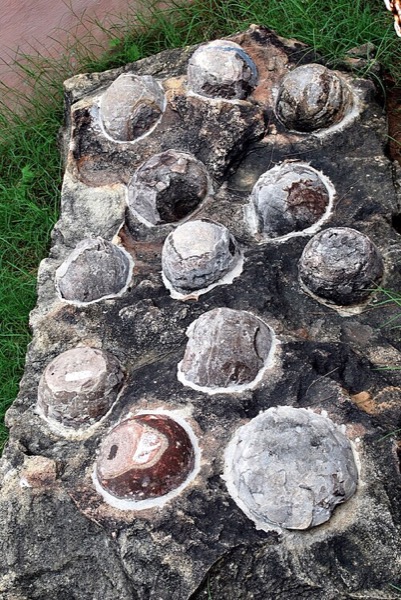
Mongolia expeditions
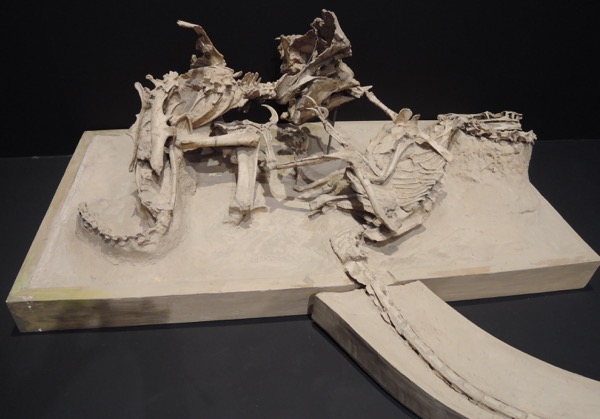
Roy Chapman Andrews leads expeditions into the Gobi Desert, uncovering the first dinosaur egg nests at Flaming Cliffs (Bayanzag), along with Velociraptor and Protoceratops.
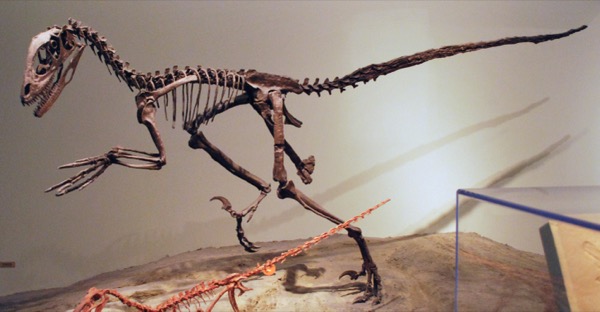
Deinonychus and the Renaissance
John Ostrom describes Deinonychus antirrhopus, an agile predator with a retractable claw. The description reshapes the view of dinosaurs, launching the "Dinosaur Renaissance".
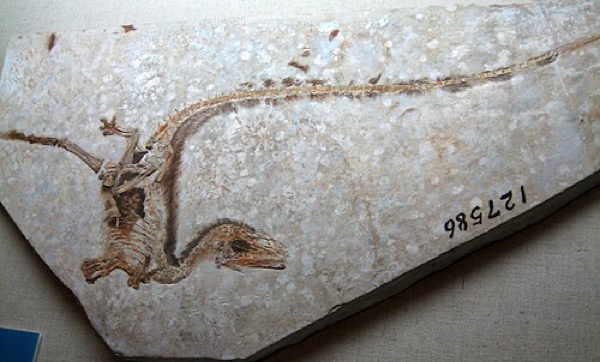
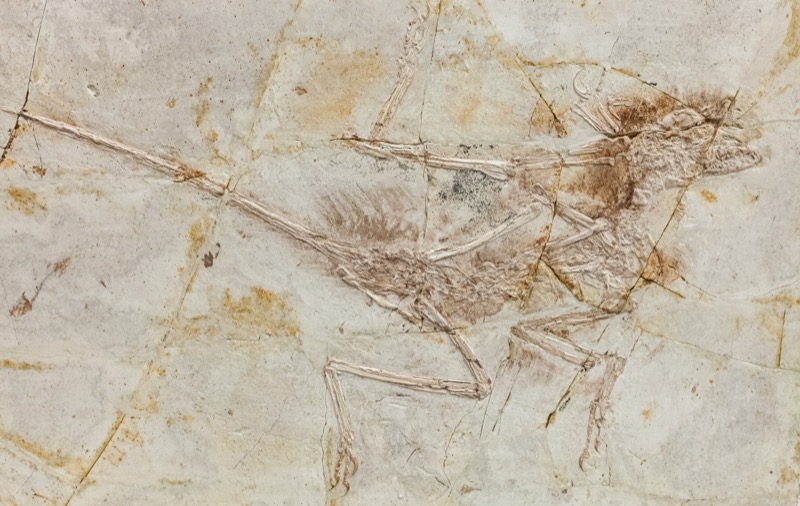
Sinosauropteryx: feathers!
The first non-avian dinosaur with preserved proto-feathers, found in Liaoning, China. It confirms the dinosaur-bird connection and turns Chinese paleontology into a global powerhouse.
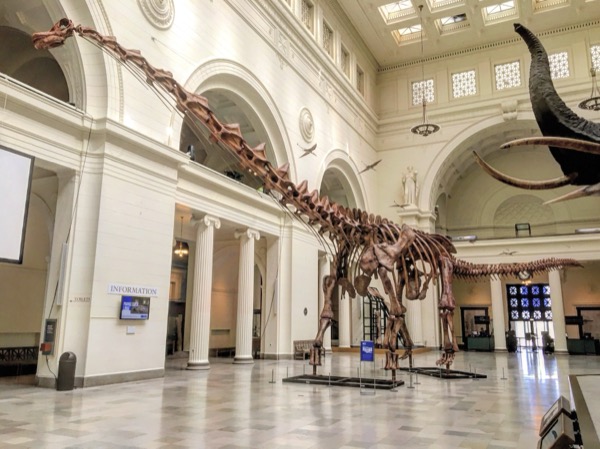
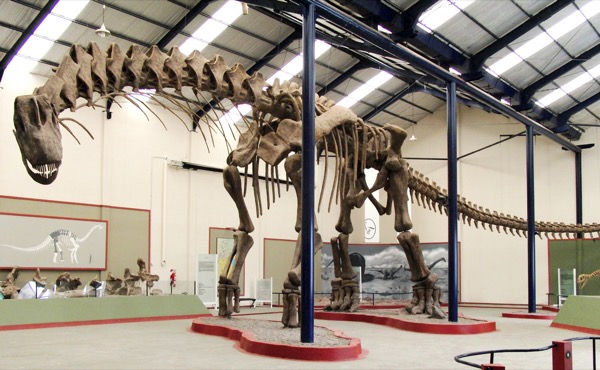
Dreadnoughtus and Patagotitan
Argentine Patagonia produces the largest dinosaurs ever found: Dreadnoughtus schrani (2014, 65 t) and Patagotitan mayorum (2017, ~70 t). Excavated by the MEF (Museo Egidio Feruglio) in Trelew.
44 new species in one year
Highlights: Zavacephale rinpoche (oldest and most complete pachycephalosaur, Gobi), Nanotyrannus "resurrected" as a valid genus, and Istiorachis with a dorsal sail.
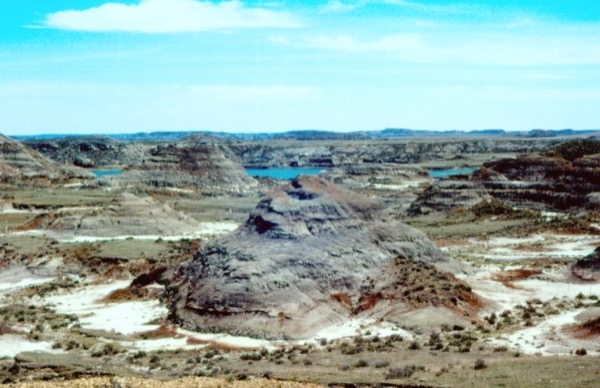
Featured sites
The world's most iconic excavation sites, with decades of continuous discoveries.
Active crews and how to join
You do not need to be a paleontologist to dig for fossils. Several programs around the world accept volunteers and members of the public during field seasons.
Wyoming Dinosaur Center
Thermopolis, Wyoming, USA
"Dig for a Day" program: daily digs open to the public from May to September. All ages (minors must be accompanied). Morrison Formation (Jurassic). Includes a guided museum tour and a marine fossil hunt.
Hell Creek Fossils
Montana / North Dakota, USA
Public digs in the Hell Creek Formation (Late Cretaceous, 66 Ma). Participants follow the whole process: discovery, excavation, and lab preparation. There is a real chance of finding fossils of T. rex, Triceratops, and Edmontosaurus.
Judith River Dinosaur Institute
Little Snowy Mountains, Montana, USA
Six-day summer camps in 2026. Excavation of Jurassic fossils: Stegosaurus, Camarasaurus, Apatosaurus, and Camptosaurus. An immersive experience with on-site camping.
Elevation Science Institute
Montana / Wyoming, USA
Fossil expeditions in the Morrison Formation (~150 Ma), Bighorn Basin. Work alongside professional paleontologists. University program and public expeditions. The 2026 season was already 90% booked as of March 2026.
Triceratops Gulch Project
Morrison, Colorado / Wyoming, USA
Hands-on work with museum professionals in the Lance Formation (Late Cretaceous). Excavation of bones, teeth, and other fossil remains from an extinct ecosystem. Open to the public.
CONICET / Univ. Nacional del Comahue
Neuquén Basin, Patagonia, Argentina
Crews led by Jorge Calvo (Univ. Comahue) and Rodolfo Coria (Museo Carmen Funes). Continuous excavations in the Neuquén Basin. Recent finds include a dinosaur egg in nearly perfect condition (October 2025).
All Sites 37 sites
Hell Creek Formation
Late CretaceousMontana / North Dakota / South Dakota, USA
Tyrannosaurus rex, Triceratops horridus +2
One of the world's most productive fossil formations, continuously active. Public and scientific digs ongoing near Marmarth, North Dakota.
Judith River Formation
Late CretaceousMontana (USA) / Alberta (Canada), Canada / USA
Brachylophosaurus, Maiasaura peeblesorum +2
Since 2017, field crews have excavated multiple articulated tyrannosaur skeletons and a rare mummified hadrosaur arm. One of Montana's most active sites.
Dinosaur Provincial Park
Late CretaceousAlberta, Canada
Styracosaurus albertensis, Gorgosaurus libratus +2
UNESCO World Heritage Site with 58 dinosaur species catalogued. In 2024, new ceratopsid tracksites were found, the first natural concave moulds in the park.
Two Medicine Formation
Late CretaceousMontana, USA
Maiasaura peeblesorum, Hypacrosaurus stebingeri +2
Famous for Maiasaura nesting sites, with continuous excavations. 2024 research revalidated Troodon specimens collected in the 1980s-90s. New bonebed found in 2020.
Morrison Formation – Jurassic Mile (Wyoming)
Late JurassicWyoming / Colorado / Utah, USA
Allosaurus fragilis, Brachiosaurus altithorax +2
The 'Jurassic Mile' in Wyoming has active volunteer and research teams. An exceptionally preserved Allosaurus with skin impressions was found at the Lower Sauropod Quarry.
Cedar Mountain Formation
Early CretaceousUtah, USA
Utahraptor ostrommaysi, Iguanodontid indet. (nova espécie) +1
In 2015, a 9-ton sandstone block containing multiple Utahraptor fossils was excavated. The Doelling's Bowl site yielded a sauropod skeleton and a possible new iguanodontid species.
Dinosaur National Monument – Carnegie Quarry
Late JurassicUtah / Colorado, USA
Diplodocus longus, Stegosaurus stenops +2
In September 2025, construction work revealed new Diplodocus fossils near the Quarry Exhibit Hall, the first excavation at the site since 1924. Approximately 3,000 lbs of fossils recovered.
Horseshoe Canyon Formation
Late CretaceousAlberta, Canada
Edmontosaurus regalis, Pachyrhinosaurus canadensis +1
Productive Late Cretaceous formation in Canada with continuous excavations by the Royal Tyrrell Museum. Pachyrhinosaurus and Edmontosaurus bonebeds regularly explored.
Patagotitan Site – La Flecha Farm
Late CretaceousChubut, Patagonia, Argentina
Patagotitan mayorum, Theropoda indet. (57 dentes)
Between 2013 and 2015, seven expeditions recovered over 200 fossils and at least six partial skeletons of Patagotitan mayorum, the largest known dinosaur, published in 2017.
Ischigualasto Formation (Valle de la Luna)
Late TriassicSan Juan, Argentina
Eoraptor lunensis, Herrerasaurus ischigualastensis +2
UNESCO World Heritage Site. In 2019, CONICET found Ingentia prima, the first Triassic giant, 30 million years earlier than expected. In 2025, new theropod Anteavis crurilongus was described.
Candeleros Formation – Neuquén Basin
Late CretaceousNeuquén, Patagonia, Argentina
Giganotosaurus carolinii, Argentinosaurus huinculensis +1
In 2021, a giant titanosaur from the Candeleros Formation was reported that may exceed Patagotitan in size. The Neuquén area documents over 166 dinosaur footprints.
Huincul Formation – Plaza Huincul
Late CretaceousNeuquén, Patagonia, Argentina
Meraxes gigas, Llukalkan aliocranianus +1
In 2022, Meraxes gigas, a new giant carcharodontosaurid, was described from this formation, with a 1.27 m skull and forelimb fragments.
General Roca Area – Northern Patagonia
Late CretaceousRío Negro, Patagonia, Argentina
Chadititan calvoi
In March 2025, Chadititan calvoi, a new titanosaur of approximately 7 meters, was described from 432 fossils from 78-million-year-old rocks found in a quarry near General Roca.
Lo Hueco Site – Cuenca Province
Late CretaceousCastilla-La Mancha, Spain
Lohuecotitan pandafilandi, Eudromaeosauria indet. +1
Site discovered in 2007 during high-speed railway construction. Systematically excavated since. In 2023, a new dromaeosaurid from the site's collection was described.
Hațeg Basin – K2 Bonebed
Late CretaceousTransylvania, Hunedoara, Romania
Petrustitan hungaricus, Uriash kadici +2
In 2025, the K2 site yielded over 800 fossils in less than 5 m², the richest site documented in Romania. Two new island sauropod species (Petrustitan and Uriash) were published in the same year.
Lourinhã Formation
Late JurassicEstremadura, West Region, Portugal
Torvosaurus gurneyi, Allosaurus europaeus +2
In April 2025, a new iguanodontian species from 150 million years ago was described from Lourinhã. Site holds the oldest known theropod embryos, with continuous active excavations.
Kem Kem Group
Late CretaceousErrachidia / Tafilalet, southeast, Morocco
Spinosaurus aegyptiacus, Carcharodontosaurus saharicus +2
In 2018-2019, Nizar Ibrahim's team conducted systematic fieldwork, resulting in the 2020 monograph that officially renamed the beds as the Kem Kem Group and revised all known fauna. A partial Spinosaurus skeleton was found at Zrigat (~20 km north of Erfoud).
Ouled Abdoun Basin – Phosphate Mines
Late CretaceousKhouribga, central Morocco, Morocco
Taleta taleta (hadrosauro), Abelisauridae indet. (2 espécies) +1
In 2025, Taleta taleta, a new African hadrosaur from 66 Ma, was described. In 2023, two new abelisaurids were published from phosphate mine material. Largest record of latest Maastrichtian dinosaurs from Africa.
Bahariya Formation
Late CretaceousBahariya Oasis, Western Desert, Egypt
Spinosaurus aegyptiacus, Carcharodontosaurus saharicus +2
In 2016, a MUVP expedition to Bahariya Oasis recovered a well-preserved vertebra of a new large theropod, described in 2022. Site historically linked to Stromer's original Spinosaurus (1915).
Tendaguru Formation
Late JurassicLindi, southern Tanzania, Tanzania
Giraffatitan brancai, Kentrosaurus aethiopicus +2
In December 2021, the British Council funded a five-year management plan (2022-2027) to protect the site. UNESCO World Heritage nomination in progress. New field campaigns resumed.
Elliot Formation – Karoo Basin
Early JurassicEastern Cape / Free State / Lesotho, South Africa
Massospondylus carinatus, Ngwevu intloko +2
In 2019, Ngwevu intloko was described as a new genus, previously confused with Massospondylus. At least seven additional sauropodomorph species have been recognized. The world's richest Early Jurassic sauropodomorph record.
Yixian Formation – Jehol Biota
Early CretaceousLiaoning, northeast China, China
Microraptor gui, Yutyrannus huali +3
In 2024, new cores collected near fossil localities in the Sihetun Sub-basin revealed unprecedented data on 3D preservation of feathered dinosaurs. Site that revolutionized dinosaur paleontology in the 1990s, with continuous scientific output.
Nanxiong Formation – Ganzhou
Late CretaceousJiangxi, southern China, China
Huanansaurus ganzhouensis, Jiangxititan ganzhouensis +2
The Ganzhou region is exceptionally productive for Late Cretaceous oviraptorosaurs and titanosaurs. Asiatyrannus xui, a new tyrannosauroid, was found at a construction site in 2017 and published in 2023.
Nemegt Formation – Nemegt Basin
Late CretaceousÖmnögovi (Southern Gobi), Mongolia
Tarbosaurus bataar, Therizinosaurus cheloniformis +2
Annual expeditions led by Phil Currie and Eva Koppelhus in partnership with Mongolia's Institute of Paleontology since 2023. In 2025, a possibly complete juvenile Tarbosaurus skeleton was found.
Djadokhta Formation – Ukhaa Tolgod
Late CretaceousÖmnögovi (Southern Gobi), Mongolia
Velociraptor mongoliensis, Citipati osmolskae +2
One of the world's richest sites with over 1,000 skulls and skeletons collected. AMNH has sent expeditions nearly every summer since the Cold War's end. In 2018, a second Citipati specimen with nest was published.
Flaming Cliffs – Bayanzag
Late CretaceousÖmnögovi (Southern Gobi), Mongolia
Protoceratops andrewsi, Velociraptor mongoliensis +2
First dinosaur egg site discovered in the world (1922). In September 2025, a pachycephalosaur fossil was described as the oldest and most complete ever found, rewriting the group's evolutionary history.
Bissekty Formation – Dzharakuduk
Late CretaceousKyzylkum Desert, Navoi, Uzbekistan
Ulughbegsaurus uzbekistanensis, Timurlengia euotica +1
In 2021, Ulughbegsaurus uzbekistanensis, a giant carcharodontosaurid, was described from this formation, revealing that large theropods coexisted with tyrannosaur ancestors. One of the richest Turonian assemblages in Central Asia.
Winton Formation – Australian Age of Dinosaurs
Late CretaceousQueensland, central-west, Australia
Diamantinasaurus matildae, Savannasaurus elliottorum +2
The world's largest collection of Australian dinosaur fossils. In 2018-2020, the entire Snake Creek Tracksite was relocated to the museum. In 2024, 12 new Winton Formation sauropod specimens were described in a comprehensive study.
Lightning Ridge Fossil Fields
Early CretaceousNew South Wales, Australia
Fostoria dhimbangunmal, Weewarrasaurus pobeni +2
The world's only site with opalised dinosaurs. Since 2014, excavations described several new theropods including megaraptorids, carcharodontosaurids, and noasaurids. In 2019, four Fostoria skeletons were published.
James Ross Basin – Antarctic Peninsula
Late CretaceousJames Ross Island, Antarctic Peninsula, Antarctica
Morrosaurus antarcticus, Antarctopelta oliveroi +2
The most productive Antarctic site for dinosaurs. In 2015, Morrosaurus antarcticus was officially named. A recent expedition returned with over one ton of fossils including plesiosaurs, mosasaurs, and dinosaurs from 67-71 Ma. At least 5 taxonomic groups identified.
Lufeng Formation – Yunnan
Early JurassicYunnan, southern China, China
Lufengosaurus huenei, Yunnanosaurus robustus +1
Formation with the largest number of Early Jurassic sauropodomorphs in China. Recent histological analysis of Lufengosaurus bones revealed new data on metabolism and growth of early dinosaurs.
Hateg Basin – Pui and Sibişel Valley
Late CretaceousTransylvania, Hunedoara, Romania
Zalmoxes robustus, Telmatosaurus transsylvanicus +2
Beyond the K2 bonebed, the Pui and Sibișel valleys are separate active sites in the same basin. In December 2025, one of the densest dinosaur fossil sites ever recorded was published. Area studied by UCL researchers in collaboration with Romanian teams.
Laño Quarry – Basque Country
Late CretaceousTreviño County / Álava, Spain
Lirainosaurus astibiae, Abelisauridae indet. +2
One of the most diverse Campanian-Maastrichtian sites in Europe, with nearly 40 vertebrate species catalogued. Regular excavations by UPV. Important reference for Late Cretaceous fauna of southwestern Europe.
Aguja Formation – Big Bend
Late CretaceousTexas, USA
Agujaceratops mariscalensis, Kritosaurus navajovius +2
Big Bend contains a unique Cretaceous fauna from the southern USA with South American faunal influence. Active excavations in the National Park. In 2021, new Alamosaurus specimens provided unprecedented data on the largest North American dinosaur.
Dinosaur Cove – Otway Group
Early CretaceousVictoria, southeast, Australia
Leaellynasaura amicagraphica, Atlascopcosaurus loadsi +1
Unique polar site for Early Cretaceous dinosaurs that lived at high Antarctic latitude (~70°S). Excavations blasted into coastal cliffs. In 2019, a taxonomic review based on new specimens was published by the Monash team.
Wukongopterus Formation – Jiufotang (Liaoning)
Early CretaceousLiaoning, northeast China, China
Psittacosaurus lujiatunensis, Bolong yixianensis +1
The Jiufotang Formation, immediately above the Yixian, produces exceptional Jehol Biota fossils. In 2025, new theropod teeth from the Jiufotang Formation were published with unprecedented dental morphology details.
Araripe Basin
CretaceousCeará / Pernambuco / Piauí, Northeast Brazil, Brazil
Irritator challengeri, Oxalaia quilombensis +3
One of Brazil's richest fossiliferous formations, with exceptional Cretaceous records of pterosaurs, fish, crocodilians and dinosaurs, from the Santana and Crato formations.