Other Animals of the Mesozoic

They are not dinosaurs, yet they dominated the oceans and the skies during the same period. Carnivores and herbivores from the Triassic through the Cretaceous.

13
Species
3
Periods
9
Groups
Filter by: 13 species
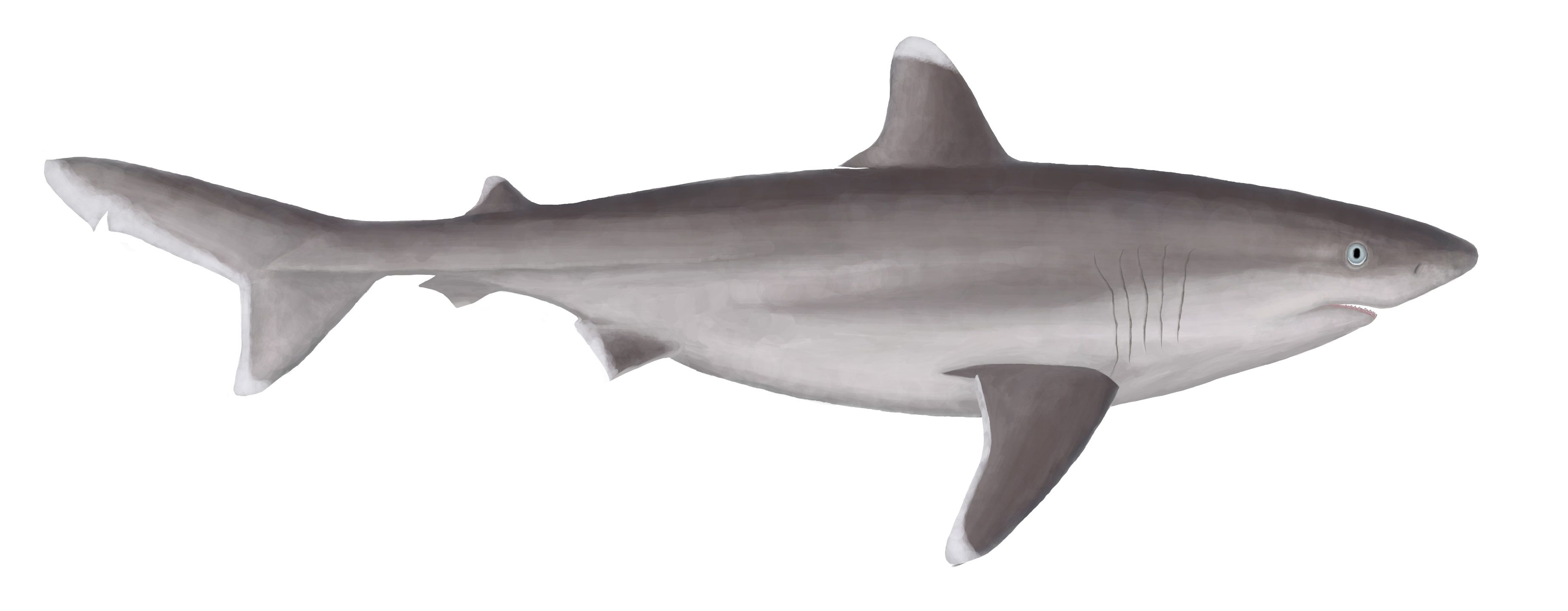
Hybodus

Global · 252–66 Ma

Hybodus

"Curved tooth"

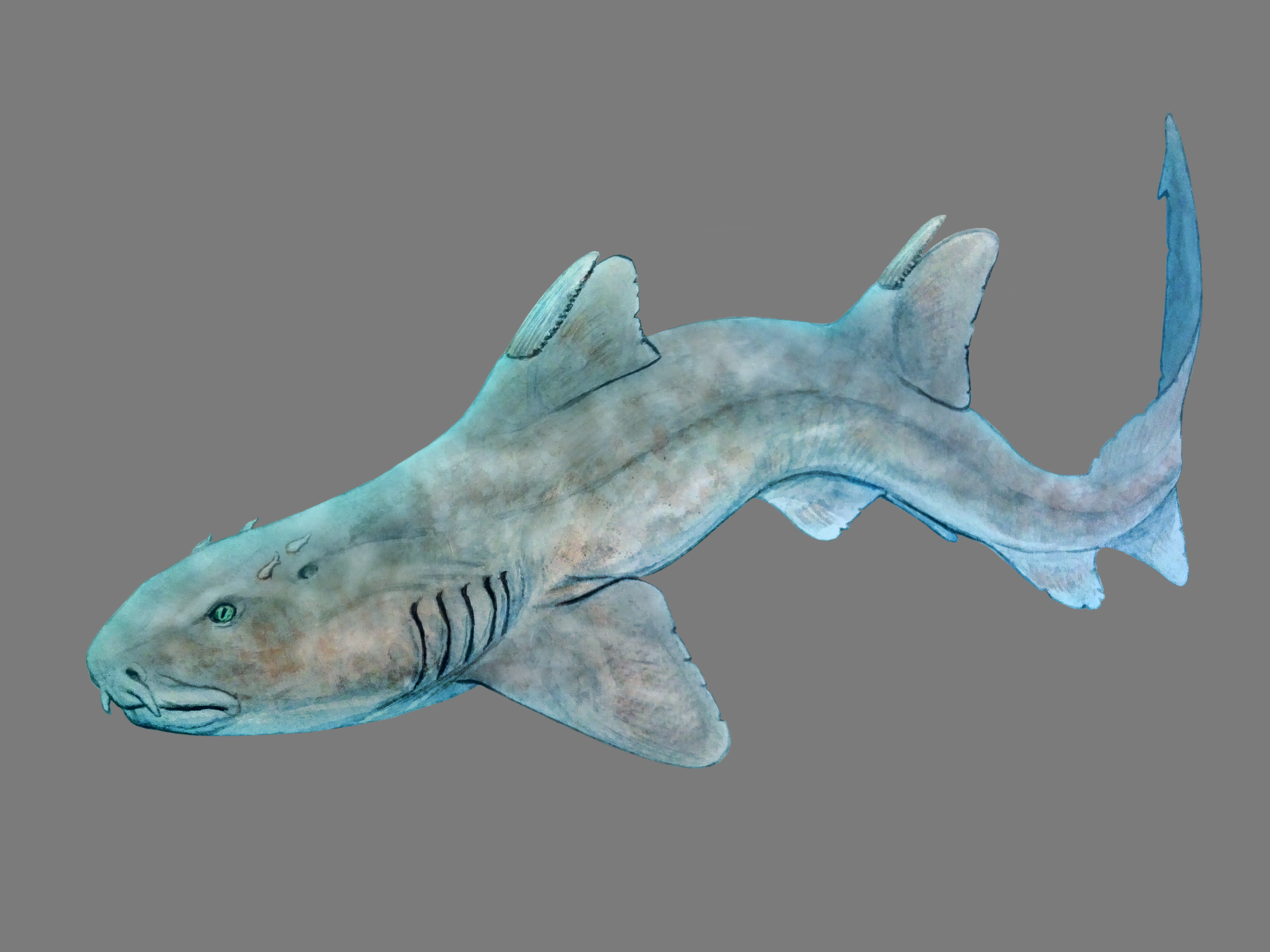
The most successful shark of the Mesozoic. It had two types of teeth: sharp ones for fish and flat ones for crustaceans, a rare versatility. It lived alongside ichthyosaurs, plesiosaurs and mosasaurs. It was progressively replaced by modern sharks (Lamniformes) during the Cretaceous.

Triassic - Cretaceous Carnivore 2.5m Marine
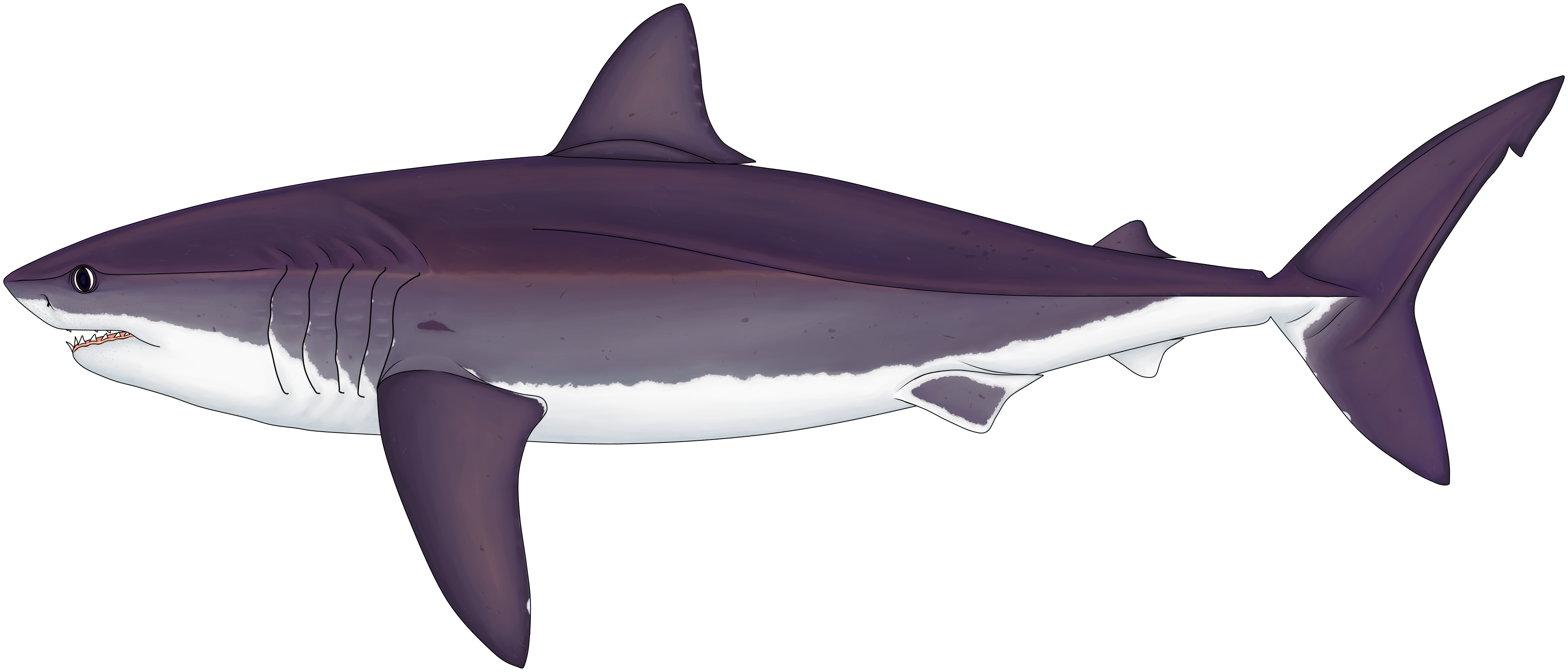
Cretoxyrhina mantelli

USA / Europe · 100–72 Ma

Cretoxyrhina mantelli

"Sharp snout of the Cretaceous"

One of the largest sharks of the Cretaceous. Smooth teeth without serrations, high speed, morphology similar to the modern great white shark. Fossils show mosasaur vertebrae with marks from its teeth, and a Pteranodon inside its stomach.

Cretaceous Carnivore 7m Marine
Squalicorax

Global · 100–66 Ma

Squalicorax

"Crow shark"

Shark with strongly serrated teeth, similar to those of the modern tiger shark. Fossil evidence shows it fed on dinosaur carcasses that fell into rivers and seas. An open-sea scavenger niche that no other animal occupied.

Cretaceous Carnivore 5m Marine
Ichthyosaurs

Global · 250–90 Ma

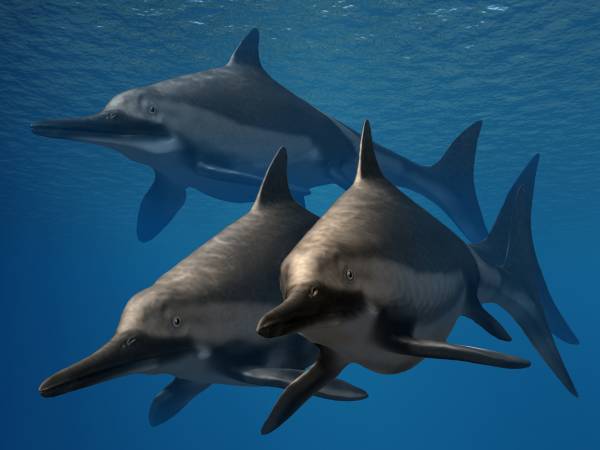
Ichthyosaurs

"Fish lizards"

Extraordinary convergence with dolphins and sharks, but they were reptiles that gave birth to live young at sea. Shonisaurus (Triassic) reached 21m. Ophthalmosaurus (Jurassic) had the largest proportional eyes of any known vertebrate.

Triassic - Cretaceous Carnivore 21m Marine
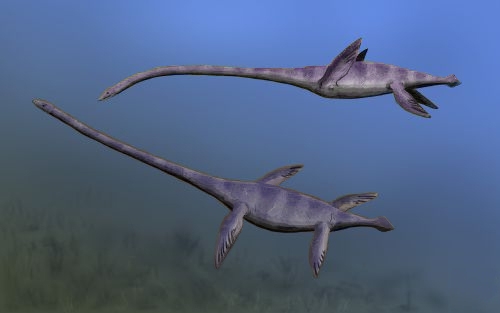
Plesiosaurs

Global · 203–66 Ma

Plesiosaurs

"Near lizard"

Elasmosaurus had a ~14m body with 72 cervical vertebrae in the neck, more than half the total length. They swam with four large flippers in a kind of "underwater flight". They caught individual fish with quick neck strikes.

Jurassic - Cretaceous Carnivore 14m Marine
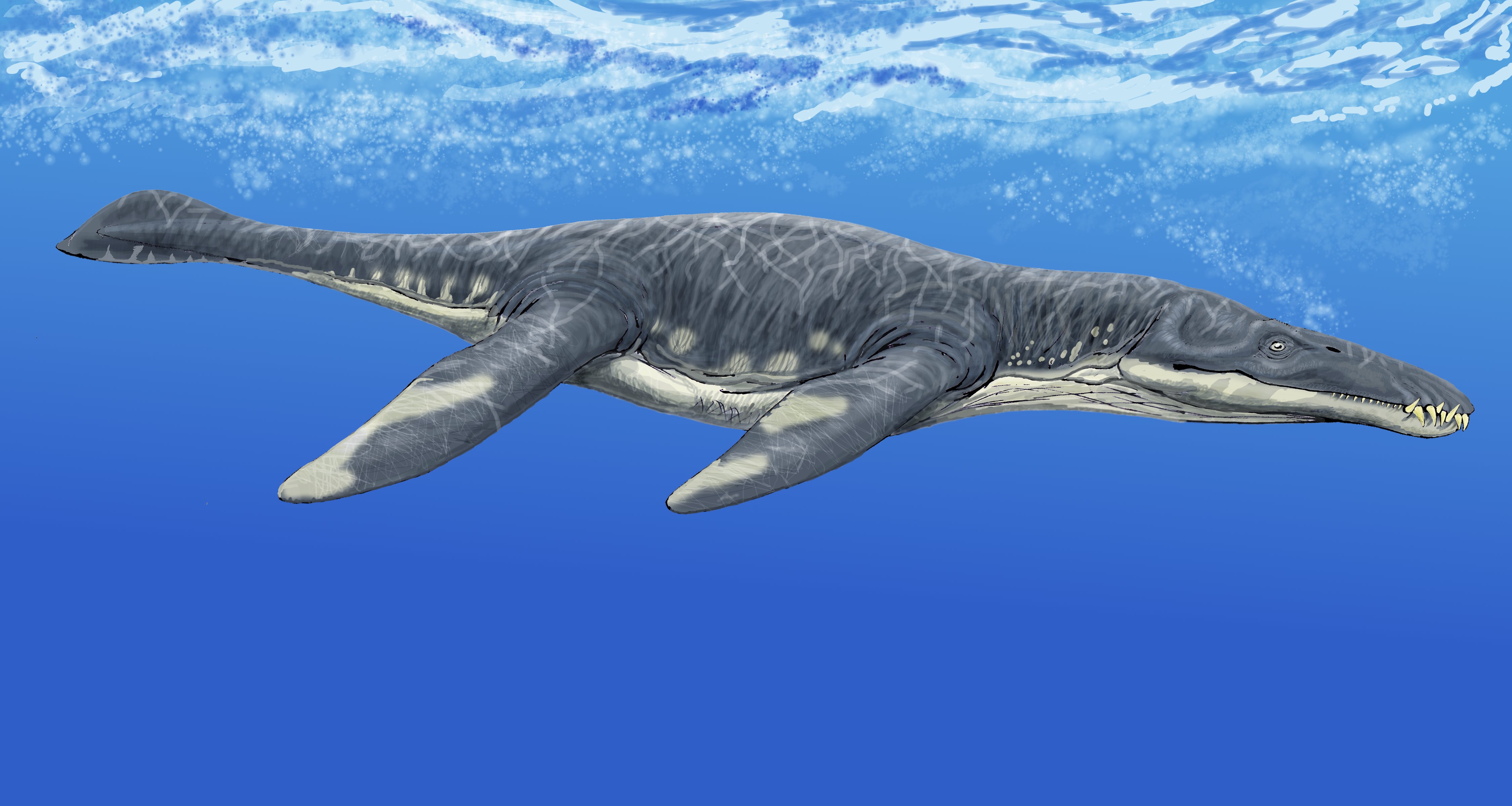
Pliosaurs

Global · 200–90 Ma

Pliosaurs

"More lizard"

Sister group to the plesiosaurs, but with a short neck and huge head. Kronosaurus (Cretaceous, Australia) had a 2.7m skull. Predator X (Jurassic, Norway) may have reached 15m. Apex predators of the Jurassic oceans.

Jurassic - Cretaceous Carnivore 15m Marine
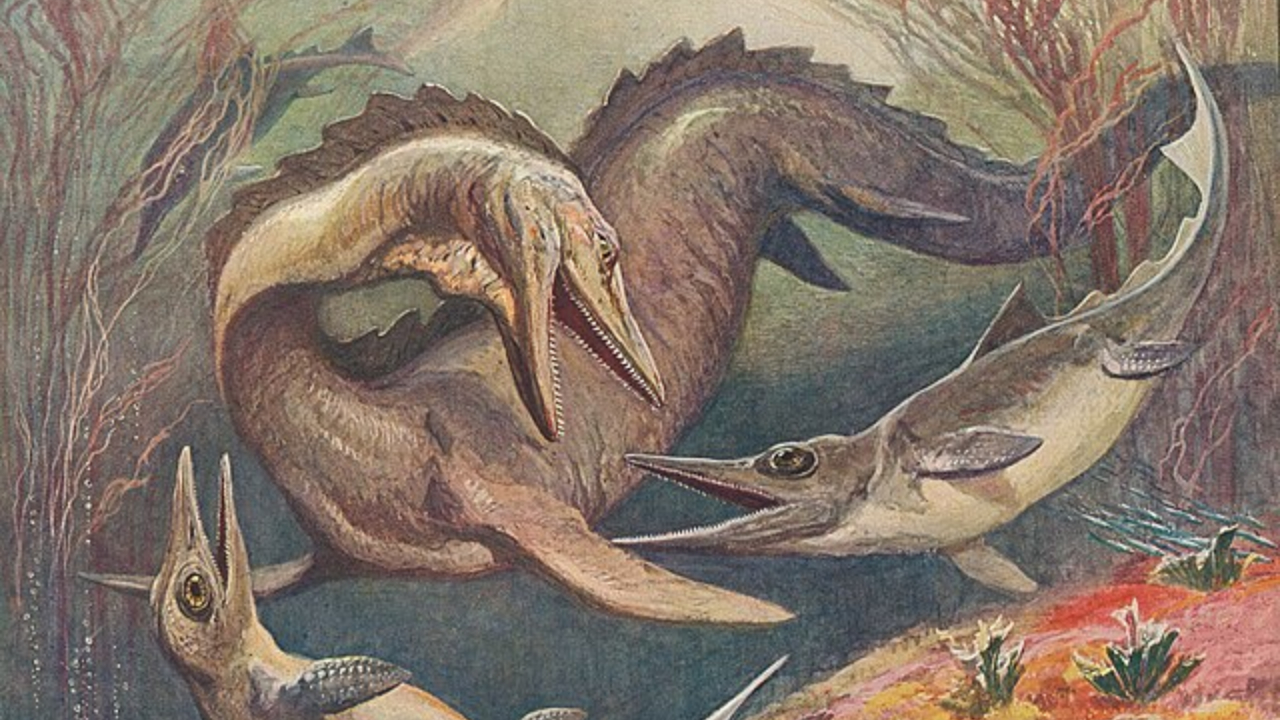
Mosasaurus hoffmannii

Global · 82–66 Ma

Mosasaurus hoffmannii

"Lizard of the Meuse River"

The largest known mosasaur, reaching 17 meters in length. A relative of monitor lizards and snakes, not of crocodiles. First giant marine reptile fossil described by science (1764, Maastricht, Netherlands), even before Darwin. It had a double-articulated jaw like snakes, allowing it to swallow enormous prey. Robust, conical teeth indicate a generalist diet: turtles, ammonites, fish, sharks and other mosasaurs. It dominated every ocean of the Late Cretaceous until the Cretaceous-Paleogene (K-Pg) extinction (66 Ma). Tylosaurus, its close relative, was even more aggressive and cannibal.

Late Cretaceous Carnivore 17m Marine
Rauisuchids

Global · 247–201 Ma

Rauisuchids

"Rau's crocodiles"

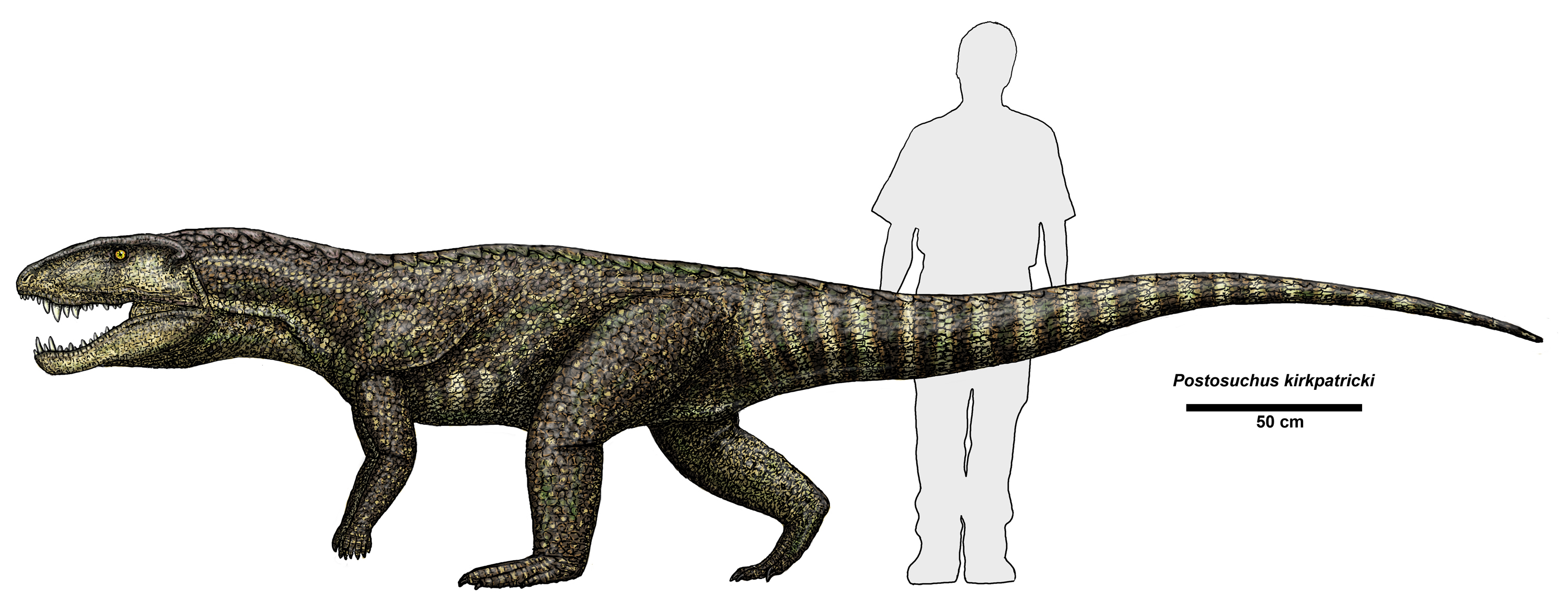
While dinosaurs were still small, rauisuchids were the apex predators. Saurosuchus (7m, Argentina), Postosuchus (6m, North America), Fasolasuchus (8-10m, the largest of them all). Their extinction opened the door for the great theropods.

Triassic Carnivore 10m Terrestrial
Phytosaurs

Global · 245–201 Ma

Phytosaurs

"Plant lizards"

Perfect convergence with modern crocodiles, but without close kinship. They occupied rivers and lakes, ambushing prey from the bank. Key difference: nostrils almost between the eyes (in crocodiles they sit at the tip of the snout).

Triassic Carnivore 6m Terrestrial
Pterosaurs

Global · 228–66 Ma

Pterosaurs

"Winged lizards"

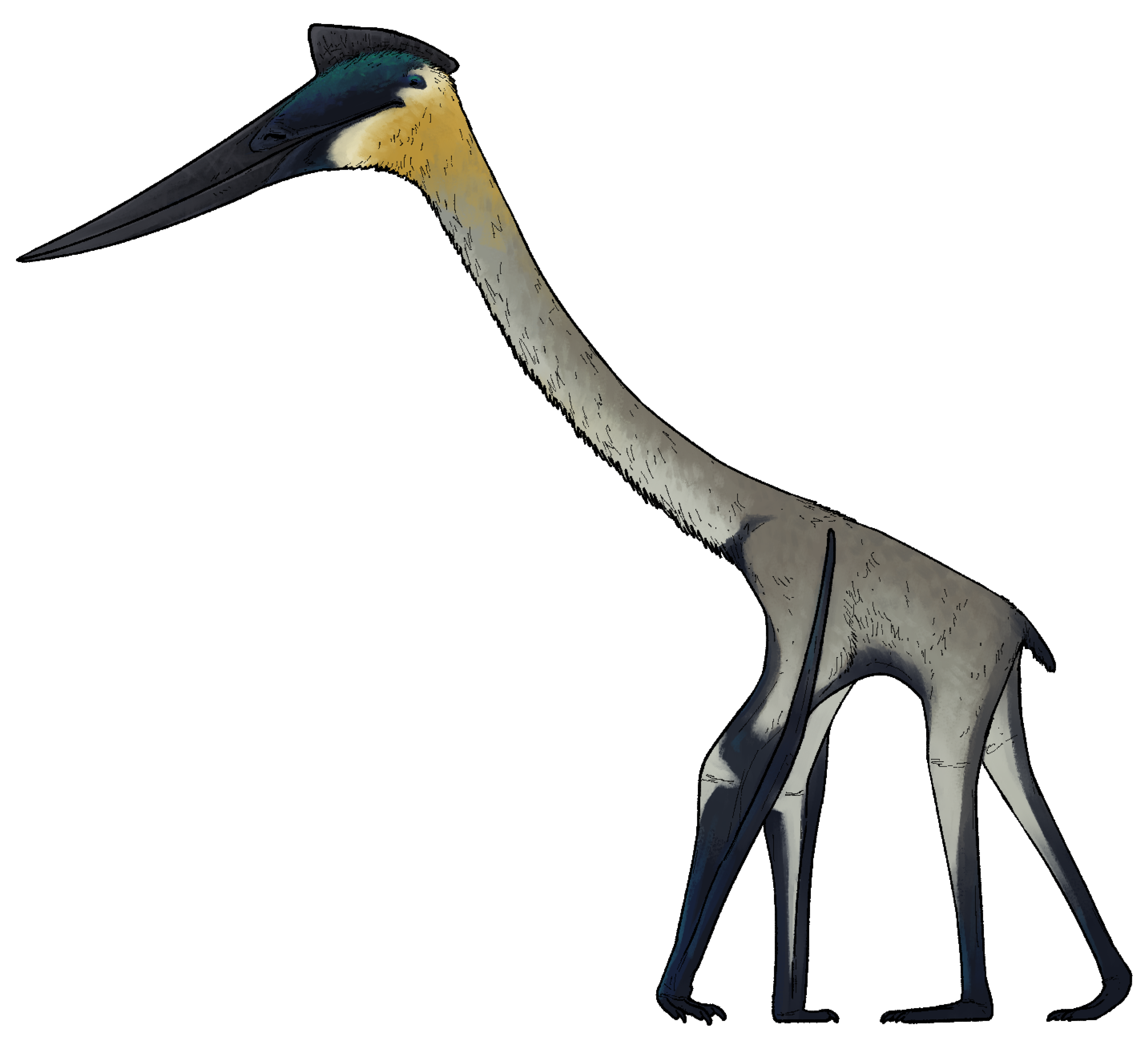
They were not dinosaurs, they were the sister group of dinosaurs. They had fur (pycnofibers) and were likely endothermic. Quetzalcoatlus northropi (Cretaceous) had a 10-11m wingspan and stood 2.5m tall on the ground, the largest flying animal of all time.

Triassic - Cretaceous Carnivore 11m Aerial
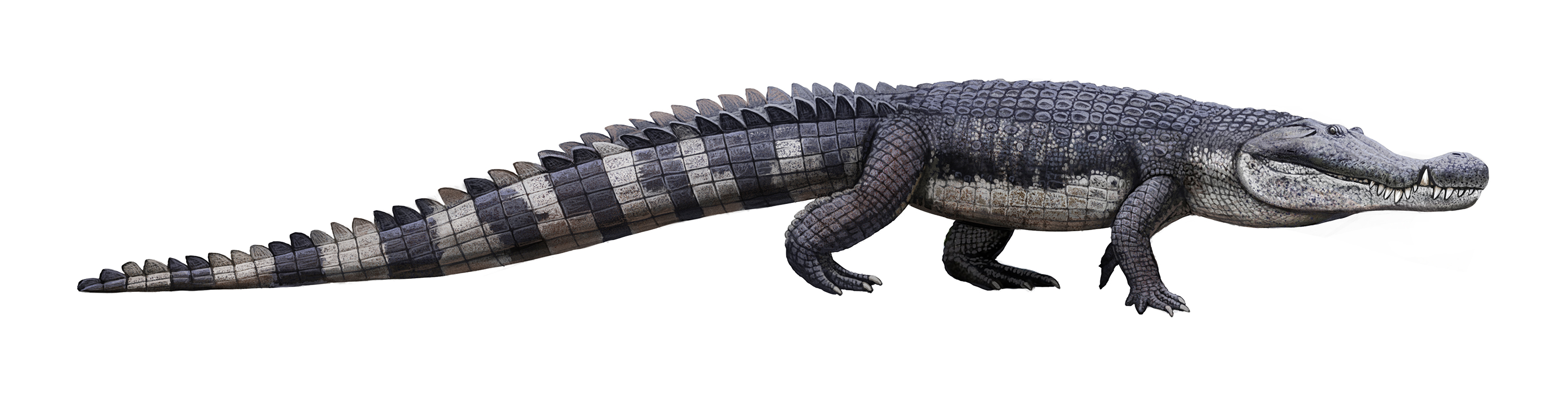
Crocodyliforms

Global · 240–66 Ma

Crocodyliforms

"Crocodile-shaped"

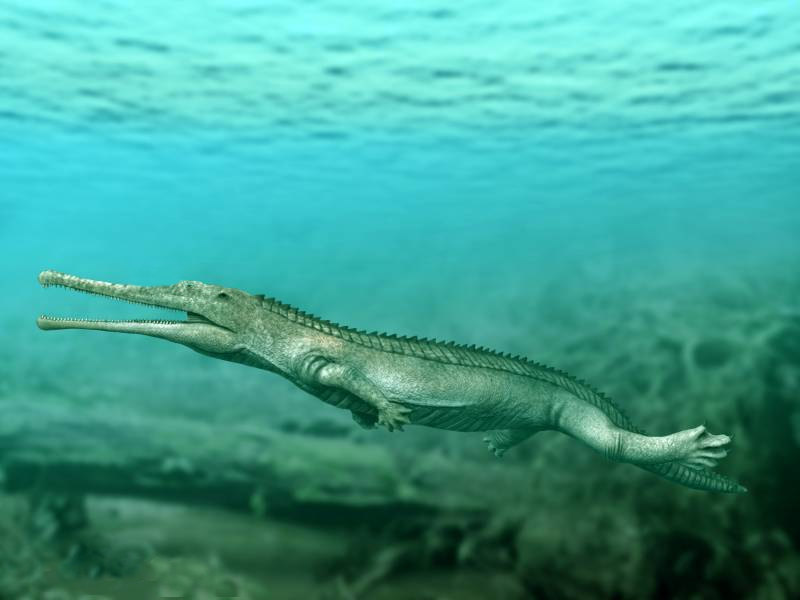
During the Mesozoic they were much more diverse than today. Terrestrial bipeds in the Triassic. Pelagic marine forms in the Jurassic/Cretaceous: Dakosaurus (theropod-like skull, swam in the open sea), Geosaurus (forked tail like a shark). What we know today is only what was left.

Triassic - Present Carnivore 8m Terrestrial
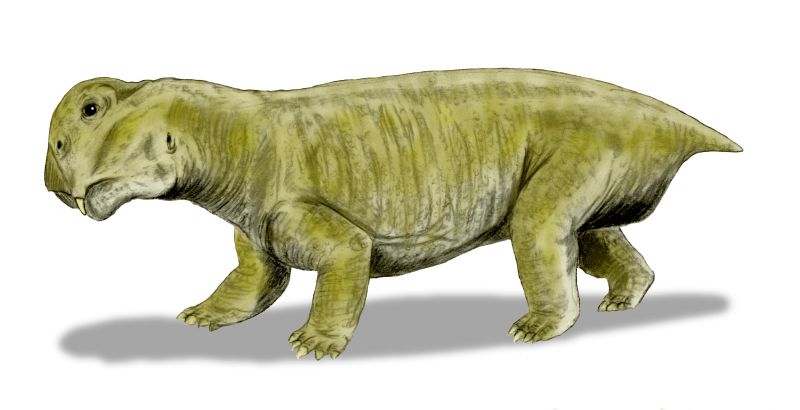
Dicynodonts

Global · 252–201 Ma

Dicynodonts

"Two dog teeth"

Synapsids with a horny beak and tusks. Lystrosaurus dominated the early Triassic after surviving the Permian. Placerias (hippo-sized) was one of the last; it briefly coexisted with the first dinosaurs.

Triassic Herbivore 3m Terrestrial
Mesozoic mammals

Global · 225–66 Ma

Mesozoic mammals

"Mammals of the Age of Dinosaurs"

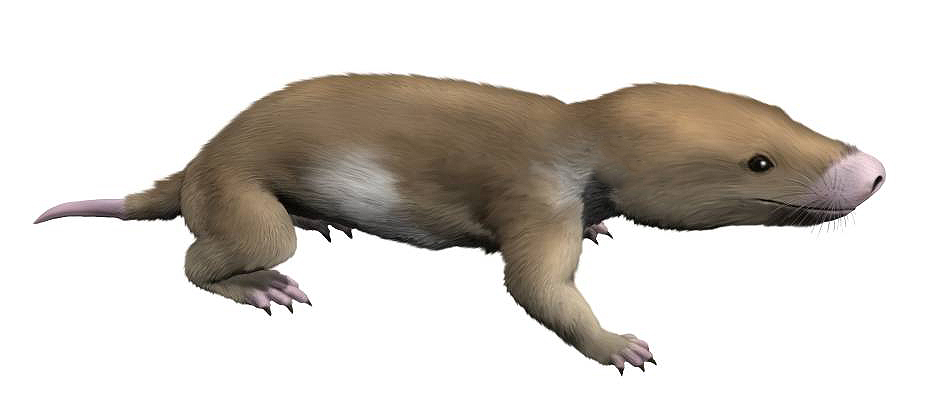
Small, probably nocturnal, living at the edges. But there was real diversity: Castorocauda (semi-aquatic, 164 Ma), Volaticotherium (glider, 160 Ma), Repenomamus robustus (fossil found with a dinosaur hatchling in its stomach).

Triassic - Cretaceous Omnivore 1m Terrestrial

Groups under construction

Shark Mosasaur Plesiosaur Ichthyosaur Pterosaur Crocodylomorph Archosaur Synapsid Mammal