
Brachylophosaurus canadensis
Brachylophosaurus canadensis
"Short-crested lizard of Canada"
Sobre esta espécie
Brachylophosaurus canadensis was a medium-sized hadrosaurid that lived during the Late Cretaceous, approximately 78 to 77 million years ago, on the coastal plains that now correspond to Montana (USA) and Alberta (Canada). Its name refers to the flat paddle-shaped nasal crest, relatively short compared to other hadrosaurids with elaborate crests. It became world-famous through the specimen known as 'Leonardo', an exceptional mummy preserving skin, tendons, and even stomach contents, recognized by Guinness as the best-preserved dinosaur ever found. It possessed a sophisticated dental battery for processing tough vegetation.
Geological formation & environment
The Judith River Formation is a Late Campanian geological unit (approximately 79 to 75 Ma) exposed in northern Montana and southern Alberta. It consists of fluvial and deltaic sediments deposited on the coastal plain adjacent to the Western Interior Seaway. The deposits include river channels, floodplains, swamps, and estuarine environments. The formation has preserved an exceptionally rich fauna: in addition to multiple Brachylophosaurus specimens including the world-famous mummies, it contains Daspletosaurus, Troodon, Einiosaurus, Achelousaurus, and hundreds of other taxa. It is one of the most productive formations worldwide for the Campanian of North America.
Image gallery




Life reconstruction of Brachylophosaurus canadensis by Nobu Tamura (2019), showing the characteristic paddle nasal crest and typical quadrupedal grazing posture.
Nobu Tamura / Wikimedia Commons — CC BY-SA 4.0
Ecology and behavior
Habitat
Brachylophosaurus canadensis inhabited the Western Interior coastal plain of North America during the Late Campanian, approximately 78 to 77 Ma. The environment consisted of tropical to subtropical riparian forests, with great diversity of flowering plants, conifers, ferns, and cycads along meandering rivers. The region was warm and humid, close to a shallow epicontinental sea. The animal coexisted with Daspletosaurus (apex predator), Troodon, Einiosaurus, and other hadrosaurids. Bonebed evidence with hundreds of individuals suggests gregarious behavior.
Feeding
Brachylophosaurus was a specialized herbivore with one of the most sophisticated dental batteries among dinosaurs. Each mandibular ramus contained hundreds of teeth compacted into functional columns, forming a continuously renewed grinding surface. The wide, flattened beak was efficient for cutting and cropping vegetation. Direct dietary evidence was found in 'Leonardo's gut contents: fragments of conifer twigs, fern fronds, and angiosperm material. It was likely selective, preferring young more nutritious plants.
Behavior and senses
Fossil evidence suggests Brachylophosaurus was gregarious: bonebeds with over 800 specimens of multiple ages have been identified in the Judith River Formation, indicating group movement. It possibly made seasonal migrations along the coastal plain in search of food resources. The paddle nasal crest likely functioned as an intraspecific visual signaling device, allowing species recognition or mate selection. Extensive tendon ossifications suggest it spent much time in quadrupedal grazing posture, rising to bipedalism during escape runs.
Physiology and growth
Brachylophosaurus mummies revealed unique physiological details: skin impressions show small polygonal tubercles across the entire body, without large scales. Ossified tendons indicate precise control of tail and trunk movement. Muscle thickness measured around 'Leonardo's shoulder (~6 cm) suggests significant cervical and scapular musculature development. Bone histology of specimens indicates rapid growth typical of endotherms, with rates similar to large mammals. The preservation of collagen and proteins for 80 Ma attests to the dense mineralization of the bones.
Paleogeography
Continental configuration

Ron Blakey · CC BY 3.0 · Cretáceous, ~90 Ma
During the Campaniano (~78.5–77.5 Ma), Brachylophosaurus canadensis inhabited Laramidia, the western half of present-day North America, separated from the east by the Western Interior Seaway, a shallow sea dividing the continent. The continents were in very different positions: India was drifting toward Asia, Antarctica was still connected to Australia, and South America was an isolated island.
Inventário de Ossos
Species known from multiple exceptional specimens. 'Elvis' (MOR 794) is ~95% complete. 'Leonardo' (JRF 115) preserves ~90% of body surface with skin impressions, tendons, and stomach contents, recognized by Guinness as the best-preserved dinosaur ever found. A bonebed in the Judith River Formation contains over 800 specimens of various ages.
Found elements
Inferred elements
Scientific Literature
15 papers in chronological order — from the original description to recent research.
A new hadrosaur from the Oldman Formation of Alberta: discussion of nomenclature
Sternberg, C.M. · Canadian Department of Resources and Development, Bulletin
The founding paper of the species: Charles Mortram Sternberg describes the holotype specimen CMN 8893, which he collected in 1936 from the Oldman Formation of Alberta, Canada. The fossil consists of a skull and partial skeleton. Sternberg identifies the flat paddle-shaped nasal crest projecting posteriorly over the skull roof as the exclusive diagnostic character, and proposes the name Brachylophosaurus canadensis. The paper establishes the taxon's position within Hadrosauridae and provides the first morphological description of the species. Despite its brevity, it is the mandatory starting point of all subsequent literature on the taxon.
The first complete description of the holotype of Brachylophosaurus canadensis Sternberg, 1953 (Dinosauria: Hadrosauridae) with comments on intraspecific variation
Cuthbertson, R.S. & Holmes, R.B. · Zoological Journal of the Linnean Society
First complete osteological study of holotype CMN 8893, conducted by Cuthbertson and Holmes over 55 years after Sternberg's original description. The authors systematically document each skeletal element, identifying the solid paddle-like nasal crest, posteriorly extended prefrontal, and significant intraspecific variation in tooth counts, crest shape, and vertebral anatomy. The documented variability is analyzed in ontogenetic and sexual terms. The work establishes the modern morphological basis for subsequent phylogenetic studies and confirms the validity of species B. canadensis.
New information on the cranium of Brachylophosaurus canadensis (Dinosauria, Hadrosauridae), with a revision of its phylogenetic position
Prieto-Márquez, A. · Journal of Vertebrate Paleontology
Prieto-Márquez redescribes the cranium of Brachylophosaurus canadensis based on abundant complete material from the Judith River Formation of Montana. Phylogenetic analysis supports B. canadensis as the sister taxon of Maiasaura peeblesorum, forming a robust clade at the base of Hadrosaurinae. Crucially, Brachylophosaurus goodwini is synonymized with B. canadensis, simplifying the genus taxonomy. The paper also emends the taxon diagnosis with new cranial characters. This phylogenetic revision defined the evolutionary relationships of the genus for a decade.
New unadorned hadrosaurine hadrosaurid (Dinosauria, Ornithopoda) from the Campanian of North America
Gates, T.A., Horner, J.R., Hanna, R.R. & Nelson, C.R. · Journal of Vertebrate Paleontology
Gates et al. describe Acristavus gagslarsoni, a new crest-less hadrosaurid from the Two Medicine Formation (Montana) and Wahweap Formation (Utah). Acristavus is the oldest member of the clade Brachylophosaurini, phylogenetically positioned as ancestral to the group including Probrachylophosaurus and Brachylophosaurus. The discovery implies that the hadrosaurid ancestor lacked cranial ornamentation, and that crests like Brachylophosaurus's paddle evolved independently within the lineage. The paper formalizes the clade Brachylophosaurini, providing essential evolutionary context for understanding the origin of B. canadensis's paddle crest.

A New Brachylophosaurin Hadrosaur (Dinosauria: Ornithischia) with an Intermediate Nasal Crest from the Campanian Judith River Formation of Northcentral Montana
Freedman Fowler, E.A. & Horner, J.R. · PLOS ONE
Freedman Fowler and Horner describe Probrachylophosaurus bergei, a new hadrosaurid from the Judith River Formation of Montana (79.8–79.5 Ma), with a nasal crest morphologically intermediate between the crestless Acristavus and the paddle-crested Brachylophosaurus. Bone fusion analysis and microscopic histology confirm the holotype was mature, ruling out a juvenile Brachylophosaurus hypothesis. The discovery directly documents an anagenetic evolutionary sequence: Acristavus, Probrachylophosaurus, and Brachylophosaurus represent successive stages of crest development over ~3 Ma in the same geographic region, one of the most complete documented cases of anagenesis in the dinosaur fossil record.
Biomolecular Characterization and Protein Sequences of the Campanian Hadrosaur Brachylophosaurus canadensis
Schweitzer, M.H., Wittmeyer, J.L., Horner, J.R. & Toporski, J.K. · Science
In 2009, Schweitzer et al. published in Science one of the most revolutionary findings in paleontology: multiple lines of evidence for endogenous proteinaceous material preserved in bone fragments and soft tissues from the 80 Ma hadrosaur Brachylophosaurus canadensis (MOR 2598). Microstructural and immunological data are consistent with preservation of bone matrix and blood vessel proteins. Phylogenetic analysis of type I collagen sequenced by mass spectrometry robustly supports the bird-dinosaur clade. The work opened the field of palaeoproteomics and demonstrated that B. canadensis is the second non-avian taxon (after T. rex) to preserve peptide sequences detectable by modern techniques.

Mass Spectrometry and Antibody-Based Characterization of Blood Vessels from Brachylophosaurus canadensis
Cleland, T.P. et al. · Journal of Proteome Research
Cleland et al. characterize by high-resolution mass spectrometry and immunofluorescence tubular structures resembling blood vessels recovered after demineralization of Brachylophosaurus canadensis cortical bone fragments. The obtained peptide sequences are consistent with modern archosaur blood vessel proteins and inconsistent with bacterial, fungal, or slime mold origin. The work is fundamental to ruling out contamination hypotheses and confirming that soft tissues preserved in B. canadensis are endogenous, 80 million years old, representing one of the pillars of dinosaur hadrosaurid palaeoproteomics.

Expansion for the Brachylophosaurus canadensis Collagen I Sequence and Additional Evidence of the Preservation of Cretaceous Protein
Schroeter, E.R. et al. · Journal of Proteome Research
Schroeter et al. expand the collagen I sequences recovered from Brachylophosaurus canadensis specimen MOR 2598 using updated methodology, high-resolution mass spectrometry, and bioinformatics analyses. Eight peptide sequences are confirmed, expanding protein coverage relative to the original 2009 study. Results reinforce the authenticity of the preserved Cretaceous collagen. The work responds to earlier methodological criticisms and demonstrates that the sequences are not contamination artifacts. Phylogenetic comparison of the expanded sequences continues robustly supporting the position of dinosaurs as close relatives of birds.

Probable Gut Contents Within A Specimen Of Brachylophosaurus Canadensis (Dinosauria: Hadrosauridae) From the Upper Cretaceous Judith River Formation Of Montana
Tweet, J.S., Chin, K., Braman, D.R. & Murphy, N.L. · PALAIOS
Tweet et al. examine organic material preserved in the body cavity of Brachylophosaurus canadensis specimen JRF 115H ('Leonardo'). The material concentrated in the abdominal region includes plant fragments: conifer twigs, fern fronds, and angiosperm material. Taphonomic analysis indicates rapid burial in a fluvial channel, with excellent articulation and absence of scavenging marks. Interpretation as intestinal contents is supported by anatomical location, concentration, and composition of plant material. This is the first direct evidence of Brachylophosaurus diet, confirming herbivory and indicating specific Campanian feeding preferences.

Bones and rocks of the Upper Two Medicine-Judith River Clastic Wedge Complex and associated dinosaur localities
Horner, J.R., Schmitt, J.G., Jackson, F. & Hanna, R. · Society of Vertebrate Paleontology Memoir
Horner et al. document the stratigraphy of the Two Medicine and Judith River Formations of northern Montana, describing associated dinosaur localities including large Brachylophosaurus bonebeds containing hundreds of individuals. The bonebeds provide population-level demographic data and suggest gregarious behavior. The work contextualizes the population biology of Brachylophosaurus on the Campanian coastal plain, indicating aggregations that may represent seasonal migratory movements or response to specific environmental conditions. It is a fundamental reference for understanding the paleoenvironment and ecology of B. canadensis.
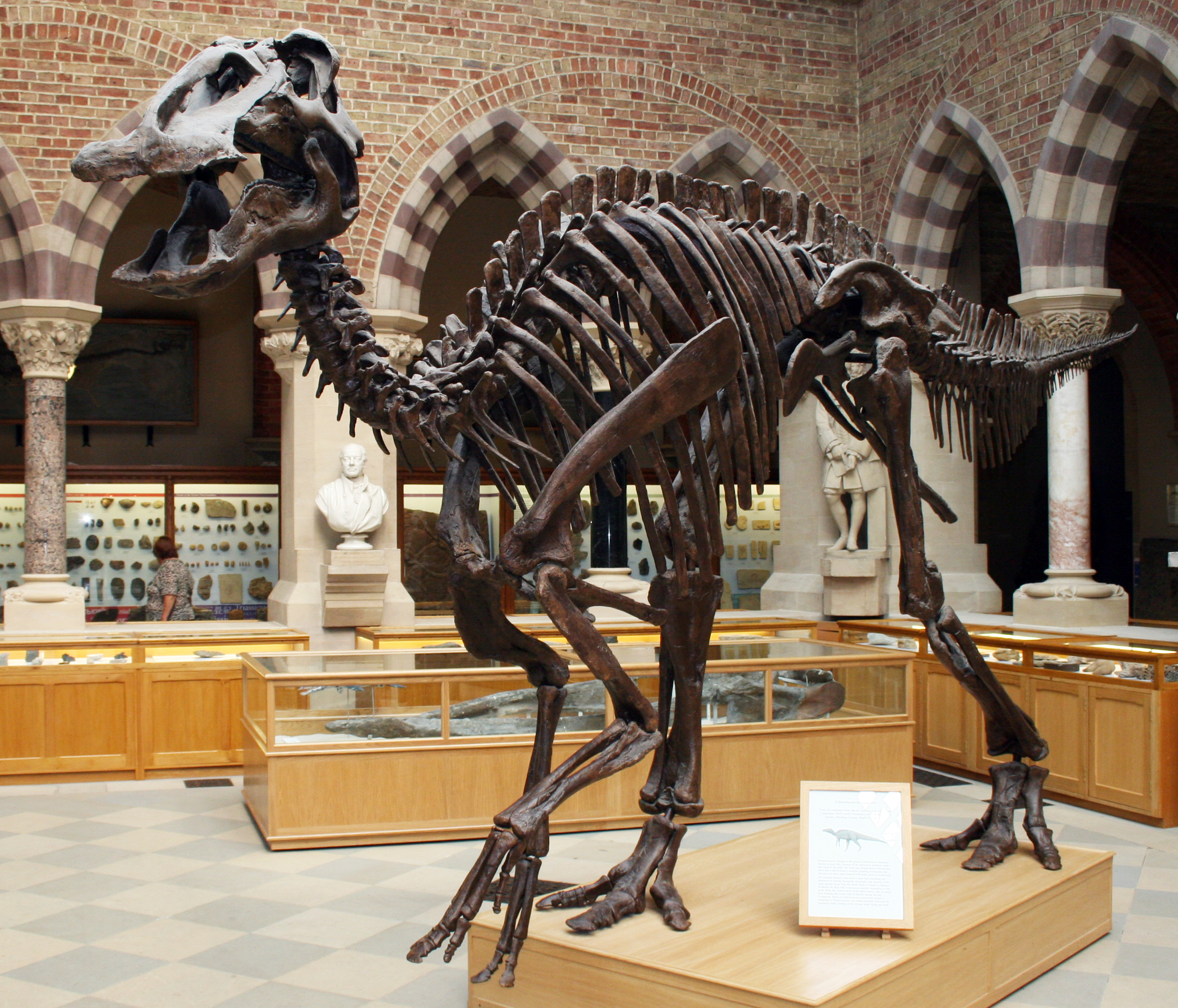

The dinosaur Hadrosaurus foulkii, from the Campanian of the East Coast of North America, with a reevaluation of the genus Hadrosaurus and its phylogenetic position within Hadrosauridae
Prieto-Márquez, A., Weishampel, D.B. & Horner, J.R. · Acta Palaeontologica Polonica
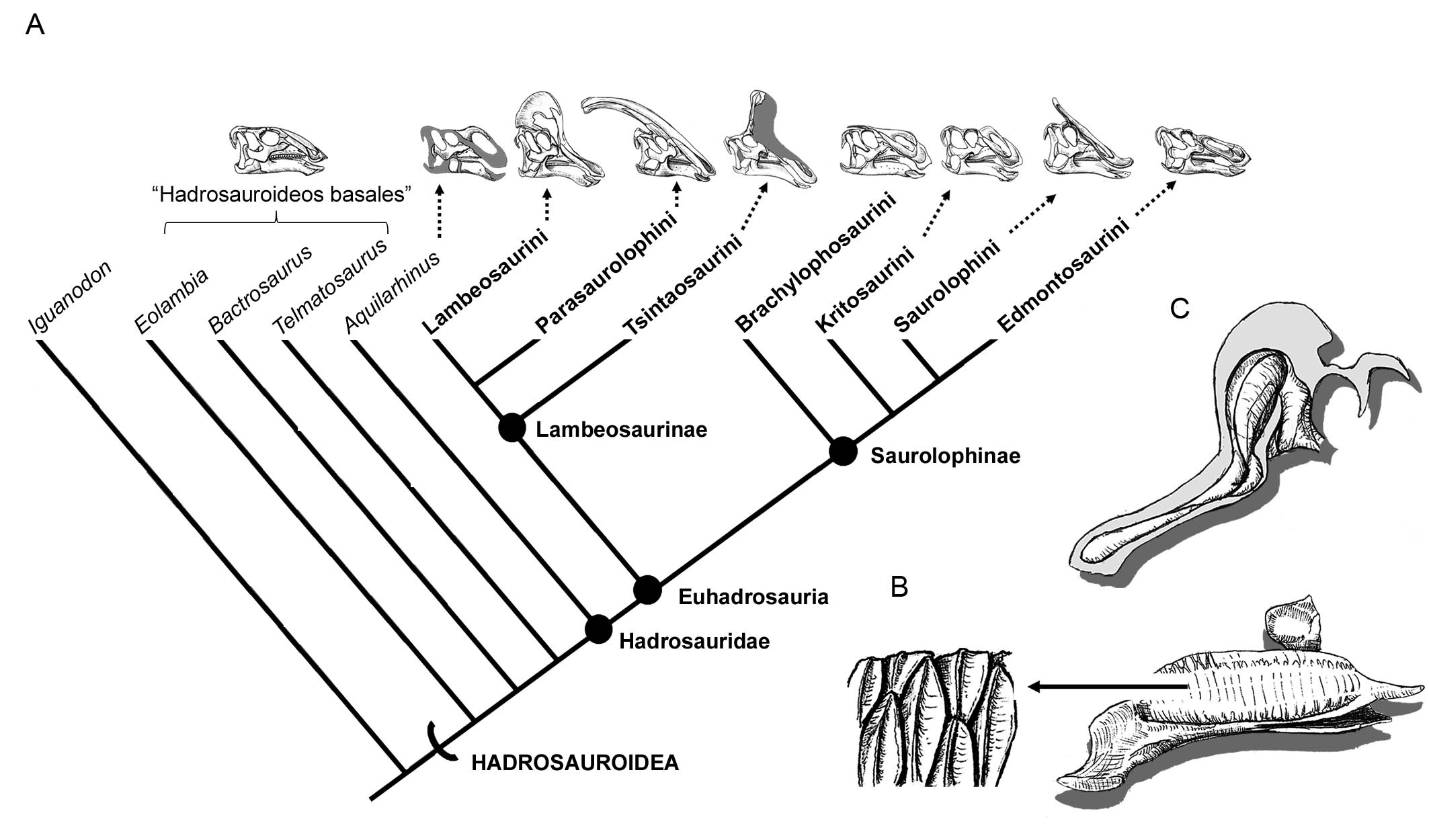
Prieto-Márquez et al. redescribe Hadrosaurus foulkii and conduct a comprehensive phylogenetic analysis of Hadrosauridae with 225 characters across 36 taxa, clarifying the position of major taxa including Brachylophosaurus within Saurolophinae. The paper is important for providing the broad phylogenetic context in which B. canadensis is positioned, establishing the synapomorphies defining Saurolophinae and the sister groups of Brachylophosaurus. The robust analysis formed the basis for subsequent revisions and was widely cited in the hadrosaur phylogeny literature of the 2000s.


Morphological innovation and the evolution of hadrosaurid dinosaurs
Stubbs, T.L., Benton, M.J., Elsler, A. & Prieto-Márquez, A. · Paleobiology
Stubbs et al. apply geometric morphometrics and disparity analyses to reveal that hadrosaurids underwent rapid morphological innovation during their initial diversification. Saurolophinae and Lambeosaurinae show distinct patterns of cranial and postcranial evolution. Brachylophosaurus represents a distinctive morphotype within Saurolophinae, with the skull evolving toward greater crest flattening and dental battery expansion. The work quantifies for the first time the rates of morphological evolution in hadrosaurids and provides macroevolutionary context for understanding the origin of B. canadensis's unique features.
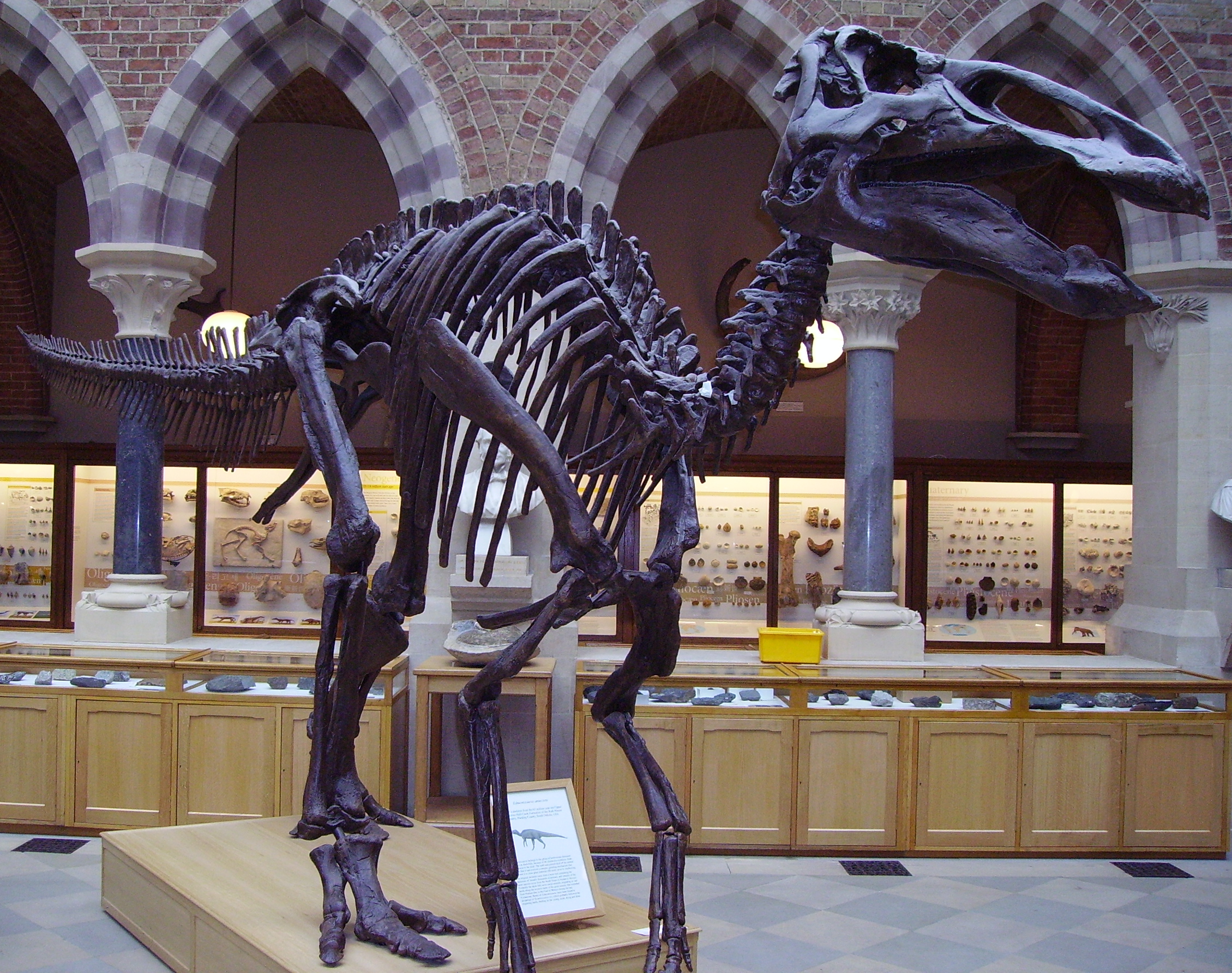
A new brachylophosaurin (Dinosauria: Hadrosauridae) from the Upper Cretaceous Menefee Formation of New Mexico
McDonald, A.T., Wolfe, D.G., Freedman Fowler, E.A. & Gates, T.A. · PeerJ
McDonald et al. describe Ornatops incantatus from the Allison Member of the Menefee Formation of New Mexico, the first brachylophosaurin reported from that state. Phylogenetic analysis places Ornatops in a trichotomy with Probrachylophosaurus and Brachylophosaurus, with Maiasaura and Acristavus as successive outgroups. The discovery expands the geographic range of Brachylophosaurini to the southern Western Interior, suggesting greater dispersal of the clade than previously imagined. The work also contributes to understanding Campanian hadrosaurid biogeography.

Taphonomic and Diagenetic Pathways to Protein Preservation, Part II: The Case of Brachylophosaurus canadensis Specimen MOR 2598
Schroeter, E.R., Ullmann, P.V. & Hegyi, A. · Biology
Schroeter et al. reconstruct the taphonomic and diagenetic history of Brachylophosaurus canadensis specimen MOR 2598, from which proteins were previously recovered. Trace element and stratigraphic analyses reveal that the articulated hind limb was buried in a brackish estuarine channel. Early diagenesis occurred under alternating redox conditions. Despite shifting geochemical regimes over 80 Ma, structural proteins survived, with oxidizing conditions in the first ~48 h post-mortem possibly promoting molecular stabilization reactions. The work is the most detailed to date on how B. canadensis biomolecules survived for so long.


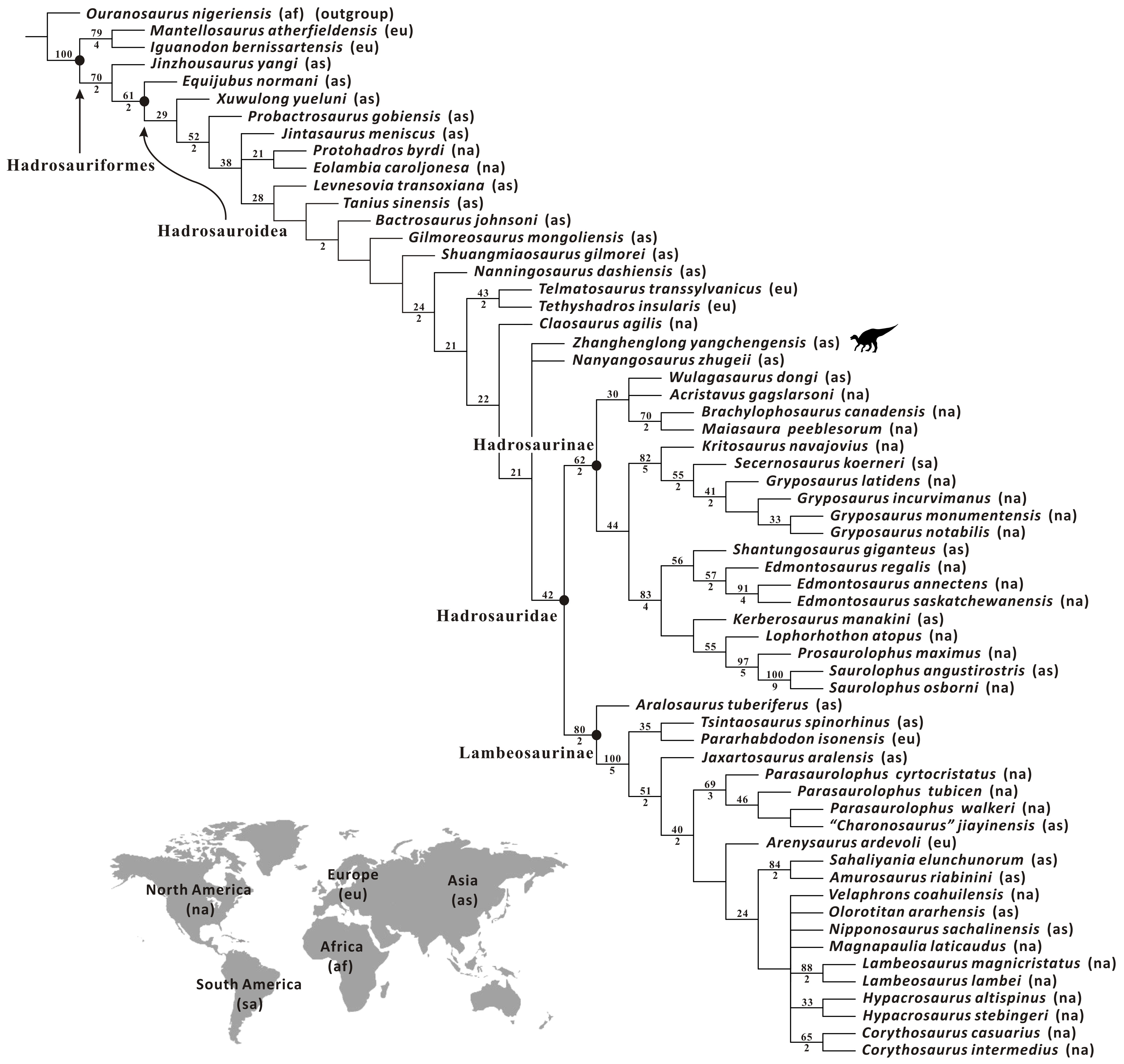
A New Basal Hadrosauroid Dinosaur (Dinosauria: Ornithopoda) with Transitional Features from the Late Cretaceous of Henan Province, China
Xing, H. et al. · PLOS ONE
Xing et al. describe a new basal hadrosauroid from China with transitional morphological features between non-hadrosaurid ornithopods and derived hadrosaurids. Phylogenetic analysis of 54 most parsimonious trees provides a revised framework for Hadrosauroidea, firmly placing Brachylophosaurus within Saurolophinae. Although the described taxon is Asian, the work directly impacts understanding of Brachylophosaurus relationships because it reforms the basal topology of the group. The revised phylogeny clarifies ancestral characters shared by all hadrosaurids versus the derived synapomorphies of B. canadensis.


Espécimes famosos em museus
MOR 1345 'Leonardo'
Phillips County Museum, Malta, Montana, EUA
The best-preserved dinosaur mummy in the world, recognized by Guinness World Records. Preserves skin, tendons, partial muscles, and stomach contents. Muscle thickness around the right shoulder was measured at approximately 6 cm. Nickname: 'Leonardo'.
MOR 794 'Elvis'
Museum of the Rockies / Phillips County Museum, Bozeman / Malta, Montana, EUA
One of the most complete hadrosaurid skeletons ever discovered, preserved three-dimensionally without significant flattening. Includes complete skull with intact paddle crest. Provided material for growth, biomechanical, and physiological studies. Nickname: 'Elvis'.
In cinema and popular culture
Brachylophosaurus canadensis gained pop culture fame mainly through science documentaries, especially Discovery Channel's 'Secrets of the Dinosaur Mummy' (2007), entirely dedicated to the 'Leonardo' mummy. The specimen's exceptional preservation, with intact skin, partial muscles, and stomach contents, transformed Brachylophosaurus into a symbol of modern paleontology. The series 'Dinosaur Revolution' (Discovery, 2011) presented the animal with reconstructions based on mummy evidence, showing skin texture in rare detail for scientific television of the era. In fiction, Brachylophosaurus appears in 'Jurassic World: Camp Cretaceous' and other Jurassic universe media, though without the prominence of more famous genera. 'Prehistoric Planet' (Apple TV+, 2022) represents the highest level of scientific accuracy in the genre's history, with late Campanian hadrosaurids depicted with detail incorporating all knowledge gained from Brachylophosaurus mummies over the last two decades.

Classificação
Descoberta
Curiosidade
Brachylophosaurus canadensis specimen 'Leonardo' is recognized by Guinness World Records as the best-preserved dinosaur in the world. When excavated in 2000 near Malta, Montana, ~90% of the body surface was covered with skin impressions. Inside the abdominal cavity, researchers found remains of its last meal: conifer twigs, ferns, and flowering plants from 77 million years ago. Its tendons and part of the muscles were also preserved, allowing researchers to directly measure the muscle thickness of a non-avian dinosaur for the first time.