
Elvisaurus
Cryolophosaurus ellioti
"Elliott's frozen-crested lizard"
Sobre esta espécie
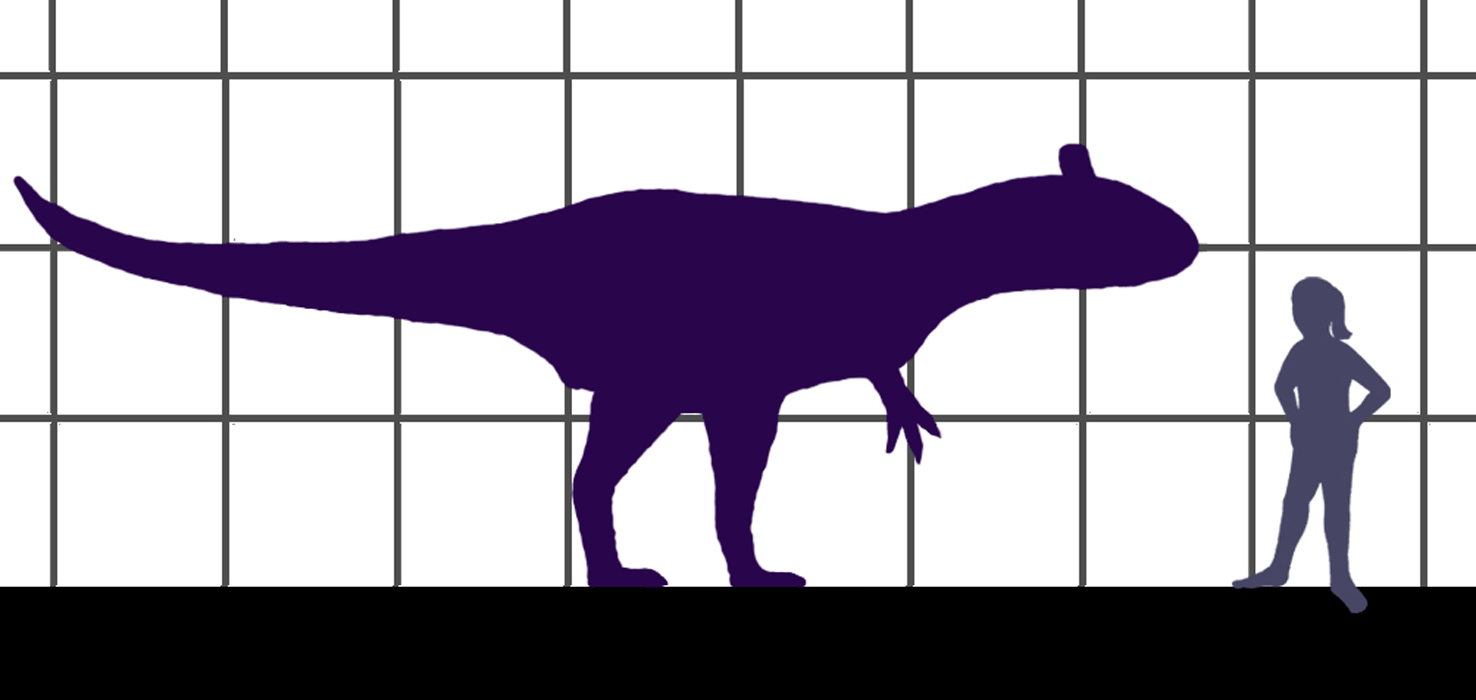
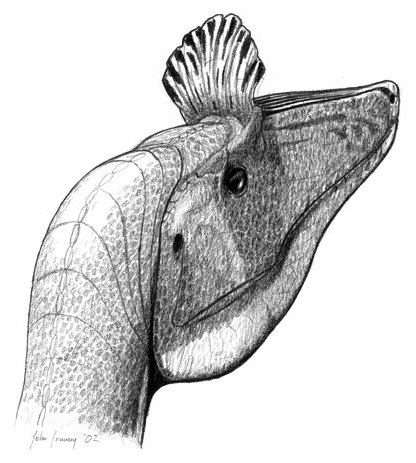
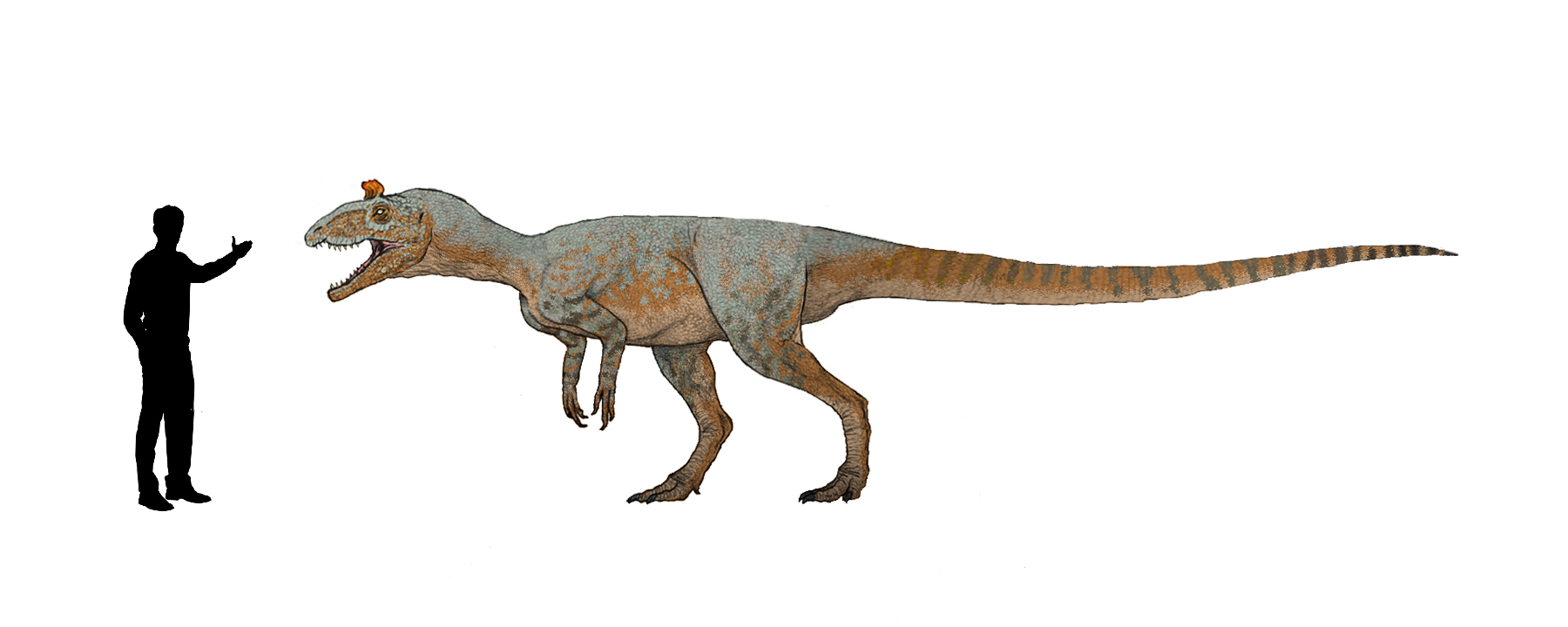
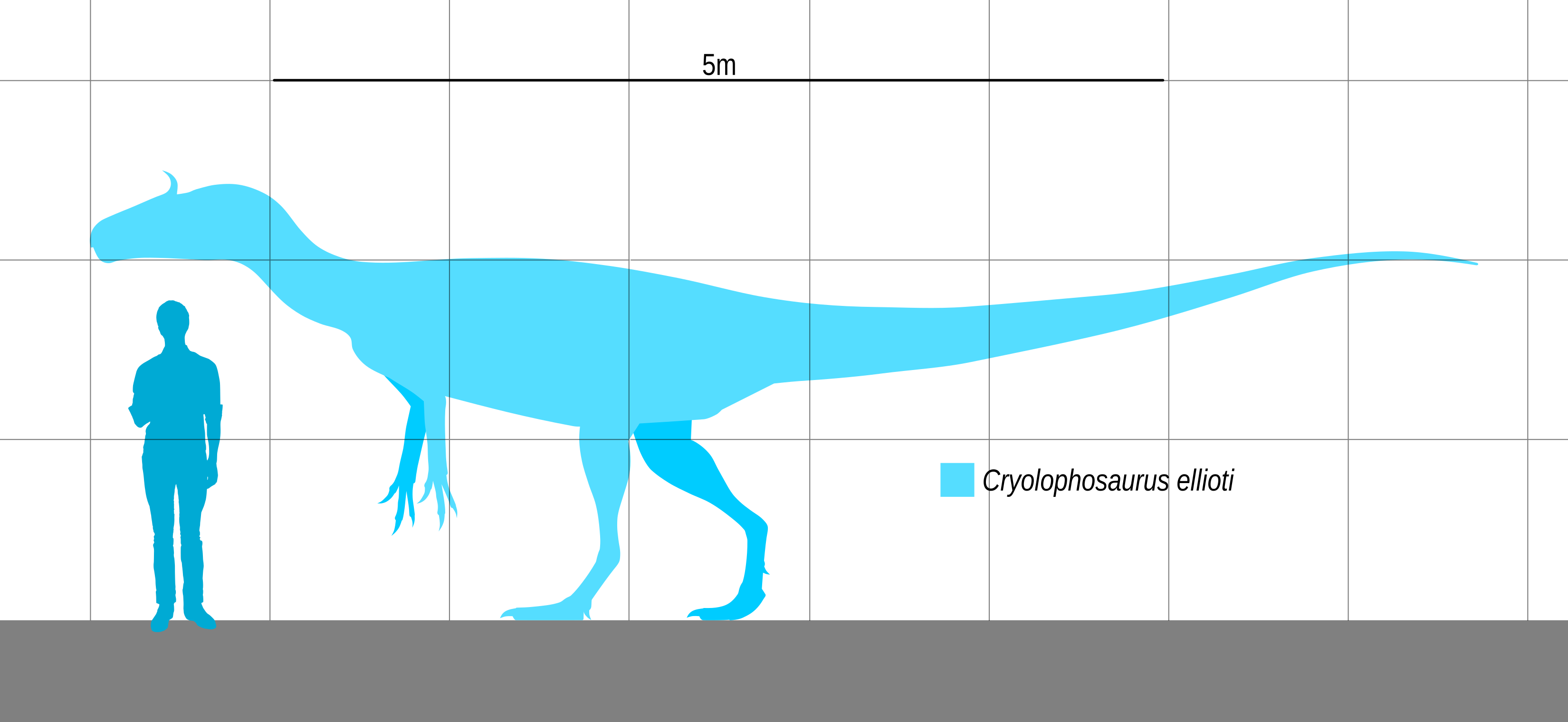
Cryolophosaurus ellioti was the largest predator of the Early Jurassic in Antarctica and the first large-bodied theropod described from the continent. At roughly 6.5 meters long and an estimated 465 kg, it was distinguished by a unique transverse crest on the skull, formed by the lacrimal bones and oriented perpendicular to the snout axis, unlike any other known dinosaur. This feature earned it the informal nickname 'Elvisaurus.' Discovered in 1991 by paleontologist William Hammer in the Transantarctic Mountains, the holotype (FMNH PR1821) was extracted from over 2,300 kg of rock and represents a subadult. Its phylogenetic position is debated, placing it as a basal neotheropod close to Averostra.
Geological formation & environment
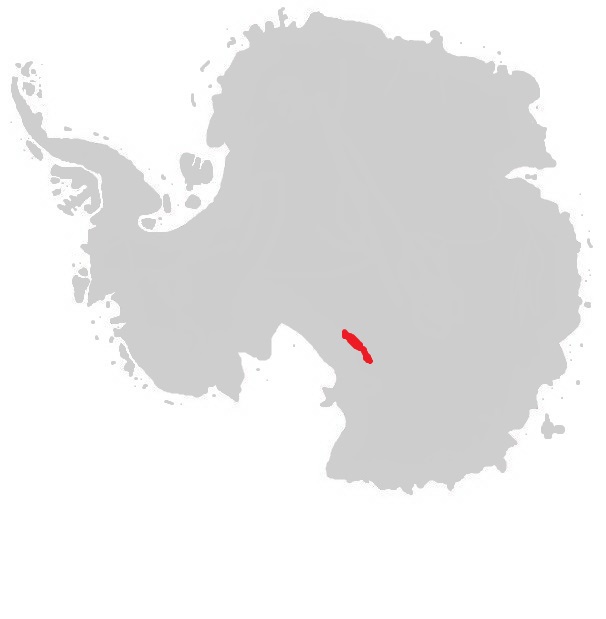
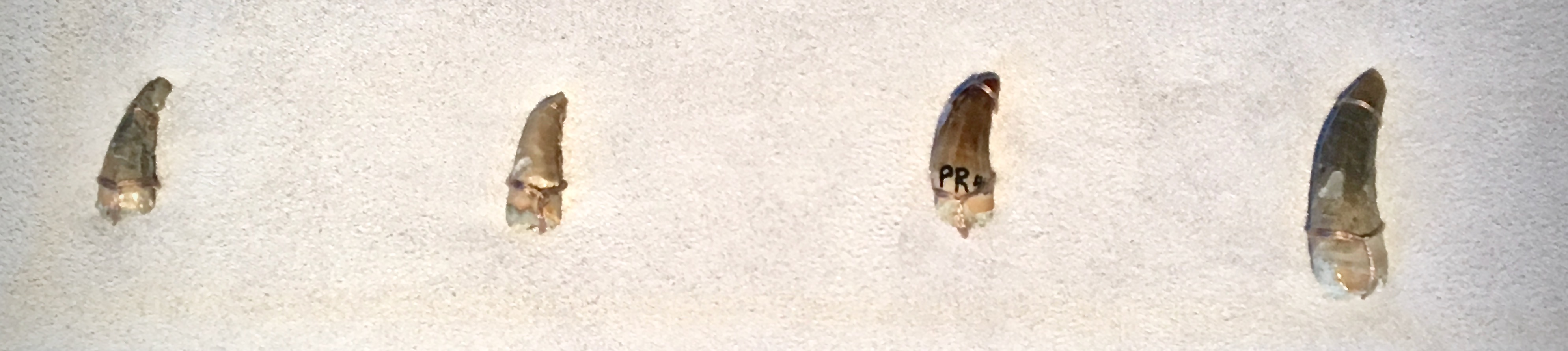
The Hanson Formation, formerly known as the upper Falla Formation, is a Pliensbachian (Early Jurassic, ~182 to 194 Ma) geological unit located in the Central Transantarctic Mountains. Deposited in a continental environment with fluvial and aeolian influence, it preserves sediments with evidence of warm temperate climate, conifer forests, ferns, and cycads, records of volcanic activity, and seasonal wildfires. Besides Cryolophosaurus ellioti and Glacialisaurus hammeri, the formation preserved fragments of a dimorphodontid pterosaur, tritilodonts, and teeth of indeterminate theropods. It represents one of the southernmost records of Early Jurassic dinosaurian fauna, fundamental for understanding Gondwana biogeography.
Image gallery





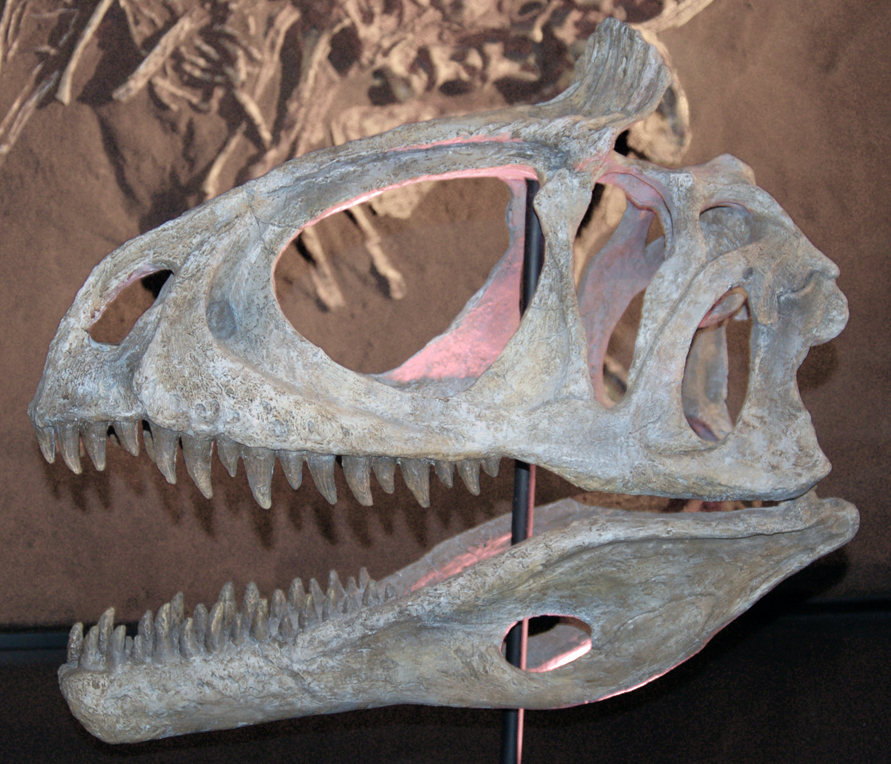
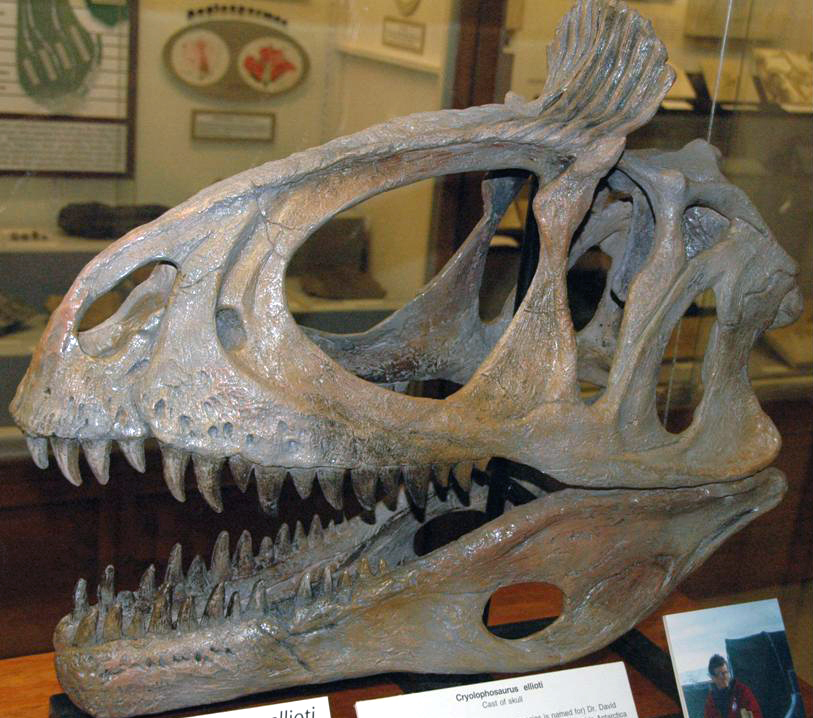
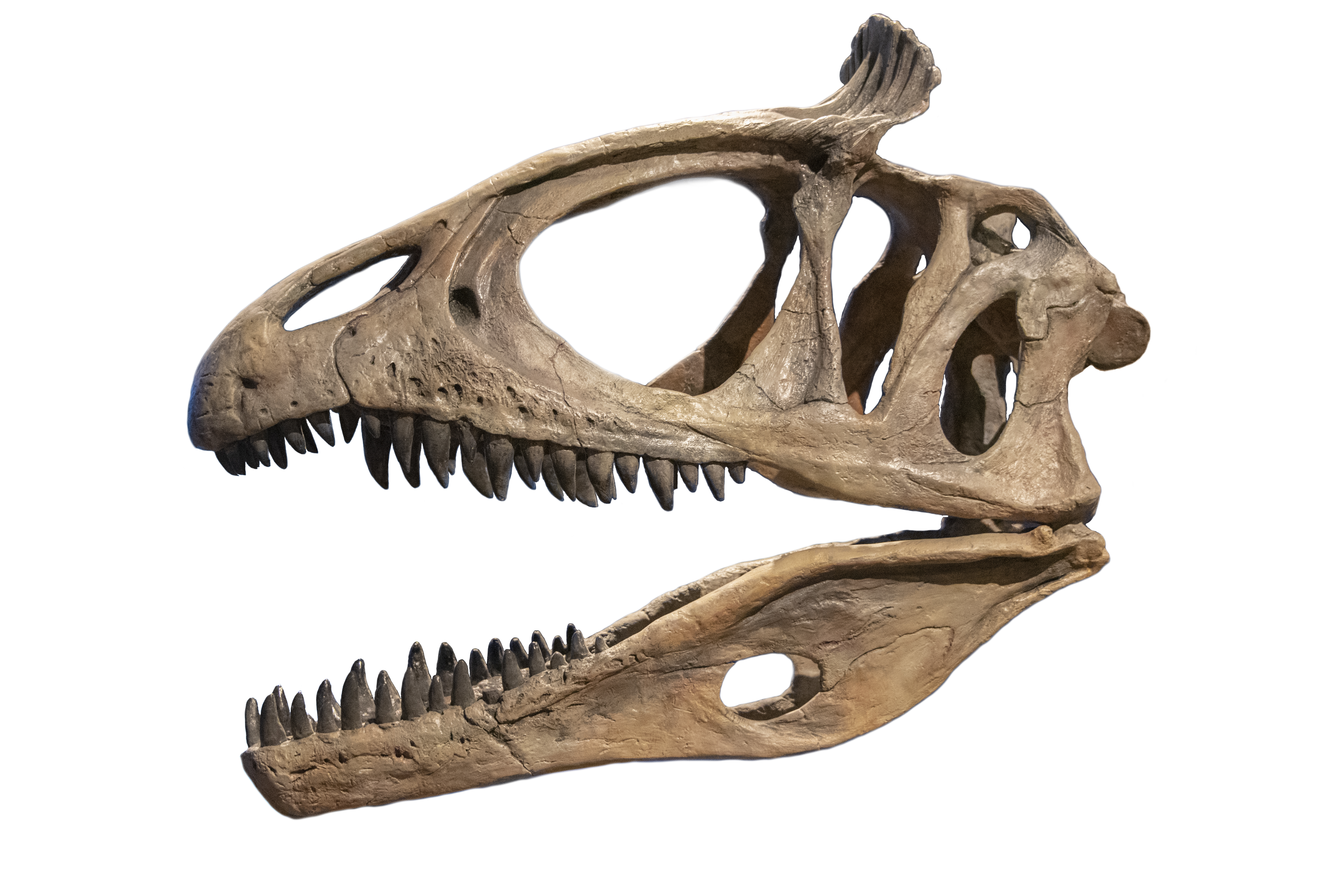
Holotype skull (FMNH PR1821) of Cryolophosaurus ellioti at the Field Museum, Chicago. The partial skull measures ~65 cm and preserves the transverse crest over the lacrimal bones.
Smokeybjb, CC BY-SA 3.0
Ecology and behavior
Habitat
In the Early Jurassic (Pliensbachian, ~182 to 194 Ma), Antarctica occupied a latitude of approximately 70 to 75 degrees south, but the climate was far milder than today, with average temperatures around 17 to 18 degrees Celsius and no permanent ice caps. The Hanson Formation preserves evidence of conifer forests, cycads, and ferns, with volcanic influence and records of seasonal wildfires. The associated fauna included the sauropodomorph Glacialisaurus hammeri, a dimorphodontid pterosaur, tritilodonts, and undescribed smaller theropods, composing a high-latitude ecosystem with marked seasonality.
Feeding
As the apex predator of the Hanson Formation ecosystem, Cryolophosaurus was almost certainly carnivorous, feeding on the largest animals available in its environment. The most likely candidate as main prey was Glacialisaurus hammeri, the large-bodied sauropodomorph that coexisted at the same stratigraphic level. The serrated teeth and cranial morphology are consistent with a predator capable of attacking prey substantially larger than itself. A tritylodont dental structure found associated with the original material was interpreted as possible stomach contents, suggesting dietary diversification.
Behavior and senses
The transverse crest of Cryolophosaurus, formed by the lacrimal bones and oriented perpendicular to the snout axis, is interpreted primarily as an intraspecific recognition structure and possibly a display organ for sexual selection or social hierarchy, analogous to similar structures in other dinosaurs and in modern birds. The bone texture of the crest, documented in the Smith et al. (2007) monograph, is consistent with a structure covered in keratin or cornified skin in life. The informal nickname 'Elvisaurus,' applied since the 1994 description, reflects the visual resemblance of the crest to singer Elvis Presley's hairstyle.
Physiology and growth
The osteohistological analysis by Cullen et al. (2020) reveals that Cryolophosaurus displayed a distinct growth pattern: more lines of arrested growth (LAGs) in the fibula and gastralium than in the femur, suggesting intraspecific variation consistent with polar seasonality. The holotype represents a subadult, indicating that the animal reached even larger size at maturity. Endocranial morphology, analyzed via CT scan in preliminary studies, suggests a brain more primitive than derived tetanurans, with proportions consistent with basal neotheropods. Metabolism was probably endothermic, as in other large theropods, allowing survival under the extreme seasonal conditions of high latitude.
Paleogeography
Continental configuration

Ron Blakey · CC BY 3.0 · Jurassic, ~90 Ma
During the Pliensbachiano (~194–182 Ma), Cryolophosaurus ellioti inhabited the fragmenting Pangea. North America and Europe were still close, and the North Atlantic was just beginning to open. Climate was warm and humid globally, with no polar ice caps.
Inventário de Ossos
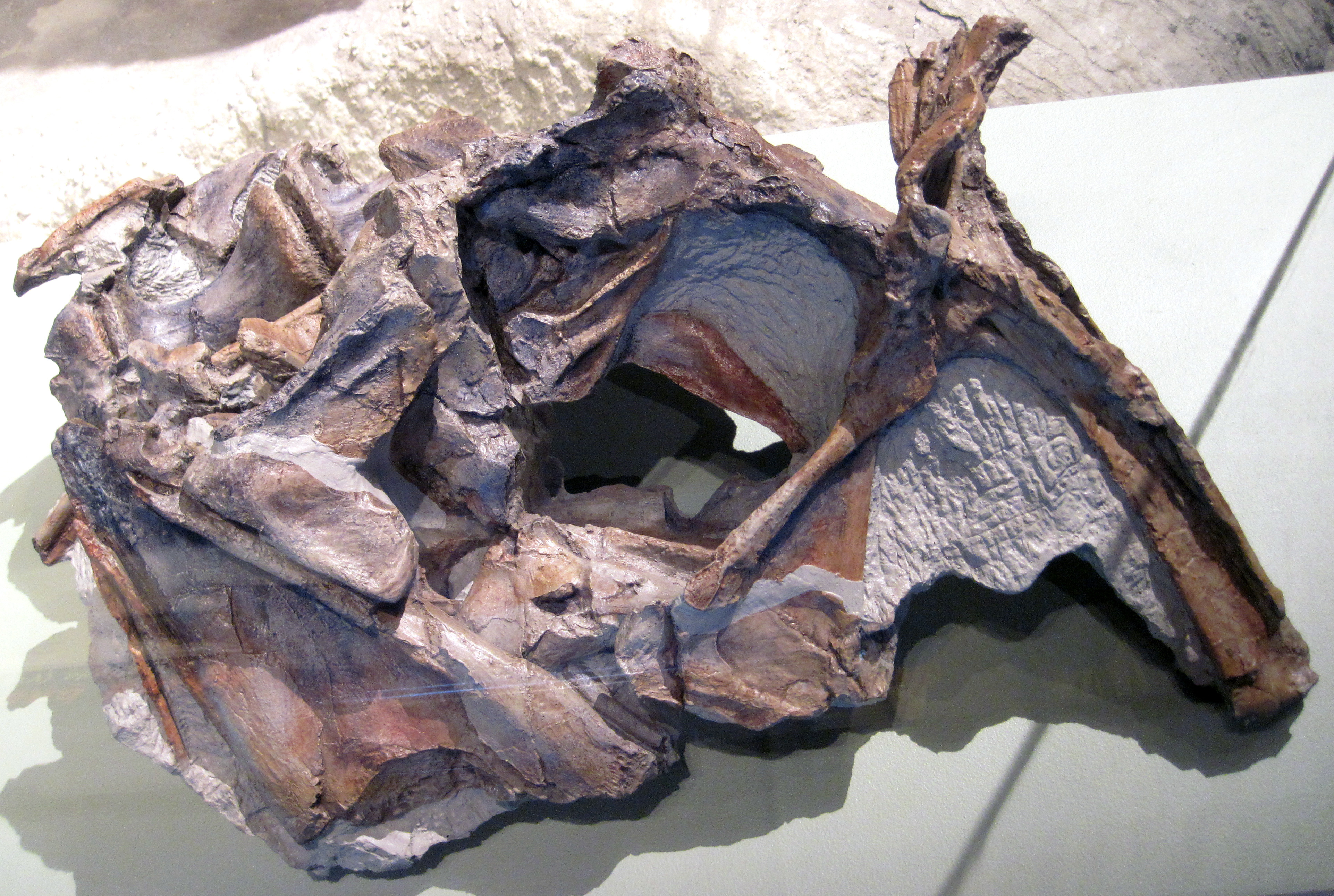
The holotype (FMNH PR1821) includes a partial skull, mandibles, vertebrae, ribs, pelvic elements, and limb bones, extracted from 2,300 kg of sedimentary rock. The specimen represents a subadult. A second braincase was identified at the same site. Completeness is estimated around 50%, with the skull being the best-preserved portion.
Found elements
Inferred elements
Scientific Literature
15 papers in chronological order — from the original description to recent research.
A crested theropod dinosaur from Antarctica
Hammer, W.R. & Hickerson, W.J. · Science
Founding paper of Antarctic dinosaur paleontology. Hammer and Hickerson formally describe Cryolophosaurus ellioti from material collected in the Hanson Formation, Transantarctic Mountains, during the 1990–1991 expedition. The holotype (FMNH PR1821) consists of a partial 65 cm skull, mandibles, vertebrae, ribs, and limb bones. The transverse crest over the lacrimal bones, perpendicular to the snout axis, is identified as a unique diagnostic feature. The authors note affinities with advanced tetanurans such as Sinraptor and Yangchuanosaurus but conclude the specimen represents the most primitive known member of the group. The associated fauna, including a prosauropod and tritilodonts, suggests a mild temperate climate at Antarctic paleolatitudes during the Early Jurassic.
Osteology of Cryolophosaurus ellioti (Dinosauria: Theropoda) from the Early Jurassic of Antarctica and implications for early theropod evolution
Smith, N.D., Makovicky, P.J., Hammer, W.R. & Currie, P.J. · Zoological Journal of the Linnean Society
The most comprehensive osteological monograph on Cryolophosaurus ellioti. Smith and coauthors systematically describe every preserved skeletal element of the holotype and additional material, revising and correcting earlier diagnoses. A phylogenetic analysis with 347 characters and 56 taxa places Cryolophosaurus closer to Dilophosaurus and Dracovenator than to tetanurans, contradicting Hammer and Hickerson's original hypothesis. The work documents the unique lacrimal crest, elongate cervical ribs, and femoral articulation features, providing the definitive anatomical inventory of the species. It publishes new data on a second braincase from the same site, contributing to understanding intraspecific diversity. Mandatory reference for any phylogenetic study including this taxon.

The dinosaurs of the Early Jurassic Hanson Formation of the Central Transantarctic Mountains: phylogenetic review and synthesis
Smith, N.D., Makovicky, P.J., Hammer, W.R. & Currie, P.J. · USGS Open-File Report
Comprehensive phylogenetic review of all dinosaur material from the Hanson Formation, including Cryolophosaurus ellioti and Glacialisaurus hammeri. The authors synthesize available data on both taxa, discussing biogeographic implications for dinosaur diversification at high latitudes of Gondwana in the Early Jurassic. The work contextualizes Antarctica as part of a faunal system interconnected with South America and other Gondwanan fragments. The analysis confirms that the Pliensbachian-age Hanson Formation preserves one of the most southerly known dinosaur faunas. The study discusses how the controversial phylogenetic position of Cryolophosaurus reflects instability in basal neotheropod analyses with fragmentary fossil records.
Anatomy of a basal sauropodomorph dinosaur from the Early Jurassic Hanson Formation of Antarctica
Smith, N.D. & Pol, D. · Acta Palaeontologica Polonica
Description of Glacialisaurus hammeri, a basal sauropodomorph collected from the same Hanson Formation strata as Cryolophosaurus ellioti. The paper documents autapomorphies in the femur and metatarsus distinguishing the material from other basal sauropodomorphs. The co-occurrence of Cryolophosaurus and Glacialisaurus provides the only known example of a high-latitude dinosaurian ecosystem in the Early Jurassic, with a large predator and large herbivore preserved at the same stratigraphic level. Smith and Pol discuss implications for sauropodomorph dispersal across Gondwana during the Early Jurassic, suggesting migratory routes from South America. This work is fundamental for understanding the paleoenvironment Cryolophosaurus inhabited.

A Triassic averostran-line theropod from Switzerland and the early evolution of dinosaurs
Zahner, M. & Brinkmann, W. · Nature Ecology and Evolution
Description of Notatesseraeraptor frickensis, a Late Triassic theropod from Switzerland, with phylogenetic analysis placing Cryolophosaurus in a well-supported clade with Notatesseraeraptor, Dilophosaurus, Dracovenator, and Averostra. This is one of the most important phylogenetic works for understanding Cryolophosaurus's position, demonstrating that the Early Jurassic crested neotheropod clade was geographically widespread, occurring in Europe, North America, and Antarctica. The analysis suggests these cranial crests either evolved convergently or represent a synapomorphy of the group. Zahner and Brinkmann provide the most robust biogeographic context available for interpreting the evolutionary significance of Cryolophosaurus at the beginning of theropod history.
A comprehensive anatomical and phylogenetic evaluation of Dilophosaurus wetherilli (Dinosauria, Theropoda) with descriptions of new specimens from the Kayenta Formation of northern Arizona
Marsh, A.D. & Rowe, T.B. · Journal of Paleontology
A 103-page monograph redescribing Dilophosaurus wetherilli based on new specimens. The included phylogenetic analysis places Cryolophosaurus ellioti as a derived neotheropod, more basal than Dilophosaurus but more derived than Zupaysaurus, forming a grade of taxa close to Averostra. This is the most recent and comprehensive phylogenetic analysis explicitly positioning Cryolophosaurus, representing the current reference for discussions on basal neotheropod evolution. Marsh and Rowe show that Early Jurassic neotheropods formed a set of taxa with cranial crests in successively derived grades, and that Cryolophosaurus occupies a critical intermediate position in this evolutionary sequence.

Osteohistological analyses reveal diverse strategies of theropod dinosaur body-size evolution
Cullen, T.M., Canale, J.I., Apesteguía, S., Smith, N.D., Hu, D. & Makovicky, P.J. · Proceedings of the Royal Society B: Biological Sciences
Multi-element osteohistological analysis of diverse theropods including Cryolophosaurus ellioti reveals diverse growth strategies for body-size evolution. For Cryolophosaurus, the study documents a distinct pattern: considerably more lines of arrested growth (LAGs) are identifiable in the fibula and gastralium than in the femur, suggesting intraspecific variation in growth rate consistent with polar seasonality. The work shows that Cryolophosaurus achieved larger size through steady growth over extended periods, a pattern different from large Cretaceous theropods. This is one of the first studies to apply histological analysis directly to Cryolophosaurus material, providing quantitative data on the species's growth biology.

An enigmatic theropod Cryolophosaurus: Reviews and comments on its paleobiology
Yun, C. · Volumina Jurassica
Systematic review of available paleobiological data on Cryolophosaurus ellioti, synthesizing decades of research in a single paper. Yun examines the various phylogenetic hypotheses proposed for the species, from Hammer and Hickerson's original interpretation as a tetanuran to more recent analyses positioning it as a basal neotheropod close to Averostra. The work discusses cranial crest function, evaluating hypotheses of intraspecific recognition, sexual selection, and thermoregulation. It analyzes the complete available fossil record and contextualizes Cryolophosaurus as the apex predator in the high-latitude Hanson Formation ecosystem. This is the most comprehensive review in a single publication dedicated exclusively to the species.

The evolution of 'bizarre structures' in dinosaurs: biomechanics, sexual selection, social selection or species recognition?
Padian, K. · Journal of Zoology
Analysis of the evolutionary origins of bizarre cranial structures in dinosaurs, including the transverse crest of Cryolophosaurus ellioti. Padian systematically evaluates competing hypotheses of sexual selection, social selection, and species recognition to explain the evolution of crests, horns, frills, and other ornamental structures in dinosaurs. For Cryolophosaurus, the analysis considers bone texture of the crest and comparison with related species like Dilophosaurus. The paper concludes that intraspecific recognition and social selection, rather than sexual selection sensu stricto, are the best-supported hypotheses for most examined structures including the Cryolophosaurus crest. Fundamental theoretical context for interpreting the paleobiological significance of the species's crest.
Basal Tetanurae
Holtz, T.R., Molnar, R.E. & Currie, P.J. · The Dinosauria, Second Edition
Comprehensive review of basal tetanuran theropods in the second edition of 'The Dinosauria,' a fundamental chapter for Early Jurassic theropod systematics. Holtz, Molnar, and Currie discuss the phylogenetic position of Cryolophosaurus ellioti within early theropod evolution, comparing its cranial and postcranial morphology to other Early Jurassic taxa such as Dilophosaurus and Sinosaurus. The chapter documents the mixed derived and plesiomorphic features of Cryolophosaurus that made its classification controversial: the femur with primitive theropod traits and the skull with features of more advanced tetanurans. An encyclopedic reference synthesizing knowledge accumulated through 2004 on the species's morphology and classification.

The interrelationships and evolution of basal theropod dinosaurs
Rauhut, O.W.M. · Special Papers in Palaeontology
Comprehensive phylogenetic analysis of basal theropod interrelationships, including Cryolophosaurus ellioti as one of the key Early Jurassic taxa. Rauhut examines morphological characters shared between Cryolophosaurus and other basal neotheropods, evaluating its position relative to coelophysoids, dilophosaurids, and tetanurans. The work, published as a special number in the 'Special Papers in Palaeontology' series, represents one of the most rigorous analyses of pre-tetanuran theropod systematics and sets a landmark in understanding early theropod diversification. Cryolophosaurus's position in this analysis is compared with previous hypotheses, documenting the phylogenetic instability of the species due to its partial fossil record.

A new early dinosaur (Saurischia: Sauropodomorpha) from the Late Triassic of Argentina: a reassessment of dinosaur origin and phylogeny
Ezcurra, M.D. · Journal of Systematic Palaeontology
Phylogenetic reassessment of early dinosaur relationships with broad taxon sampling including basal neotheropods, discussing the position of Cryolophosaurus relative to other early saurischians and the origin of theropod body plans. Ezcurra reconstructs the evolutionary history of theropod body plans from the Triassic, positioning Cryolophosaurus in the context of the initial dinosauriform radiation. The work includes detailed analysis of characters distinguishing basal theropods from their non-dinosaurian relatives, providing broader phylogenetic context for understanding where Cryolophosaurus fits in the dinosaur evolutionary tree. Inclusion of Cryolophosaurus in this comprehensive analysis contributes to understanding the biogeography of initial theropod diversification.

New Triassic and Jurassic vertebrates from Antarctica
Hammer, W.R., Collinson, J.W. & Ryan, W.J. · Antarctic Journal of the United States
Preliminary report on Triassic and Jurassic vertebrates discovered in the Central Transantarctic Mountains during expeditions preceding the 1990–1991 season. The work documents the context of explorations leading to the formal discovery of Cryolophosaurus, including fragmentary material from the Mount Kirkpatrick site. Hammer, Collinson, and Ryan describe field conditions and stratigraphic horizons of the finds, providing the geological context for subsequent discoveries. This is one of the earliest documents recording the paleontological potential of the Hanson Formation for preserving large theropods, preceding the formal publication of Cryolophosaurus by a few years. Essential for understanding the discovery history of the species.
A complete skeleton of a Late Triassic saurischian and the early evolution of dinosaurs
Nesbitt, S.J., Smith, N.D., Irmis, R.B., Turner, A.H., Downs, A. & Norell, M.A. · Science
Description of Tawa hallae, a complete Late Triassic saurischian providing critical data on early dinosaur evolution. The phylogenetic analysis includes Cryolophosaurus ellioti, placing it as the sister group to a clade composed of dilophosaurids and averostrans. Nesbitt and coauthors demonstrate that early dinosaur diversification involved multiple dispersal events from a South American area of origin, with Cryolophosaurus representing a lineage that reached Antarctica during the Early Jurassic. The work presents one of the most comprehensive phylogenetic analyses of basal theropods available at the time, with significant implications for understanding the biogeography and phylogeny of the group including Cryolophosaurus.


The phylogeny of Tetanurae (Dinosauria: Theropoda)
Carrano, M.T., Benson, R.B.J. & Sampson, S.D. · Journal of Systematic Palaeontology
Exhaustive phylogenetic analysis of basal tetanurans using 61 taxa, achieving significantly improved phylogenetic resolution compared to previous analyses. The work systematically examines all available character data for basal theropods, including Cryolophosaurus ellioti, and positions the species relative to Megalosauroidea, Allosauroidea, and Coelurosauria. The Carrano, Benson, and Sampson analysis is one of the standard references for discussing the phylogenetic position of basal Early Jurassic neotheropods, and its results for Cryolophosaurus are systematically compared with hypotheses from Smith et al. (2007), Nesbitt et al. (2009), and Marsh and Rowe (2020). The study documents the shared characters between Cryolophosaurus and derived tetanurans that made its classification historically controversial.

Espécimes famosos em museus
FMNH PR1821 (Holótipo)
Field Museum of Natural History, Chicago, EUA
The holotype, collected at Mount Kirkpatrick during the 1991 expedition, includes a partial 65 cm skull, mandibles, vertebrae, ribs, pelvic elements, and limb bones. Extracted from 2,300 kg of sedimentary rock, it represents a subadult. It is the reference specimen for all Cryolophosaurus research and was central to the Smith et al. (2007) osteological monograph. It is on public display at the Field Museum and was a highlight of the traveling 'Antarctic Dinosaurs' exhibition.
Segundo braincase (sem número de catálogo publicado)
Field Museum of Natural History, Chicago, EUA
A second braincase of Cryolophosaurus, identified at the same Mount Kirkpatrick site during the 1991 expedition, is briefly described in the Smith et al. (2007) monograph. The specimen suggests the presence of at least two individuals at the site. The braincase anatomy provides complementary data on the basal neuroanatomy of the species, documenting that the brain was more primitive than that of derived tetanurans, consistent with its phylogenetic position as a basal neotheropod.
In cinema and popular culture
Cryolophosaurus occupies a peculiar niche in popular culture: it is one of the few Antarctic dinosaurs to achieve recognition beyond academic circles, driven by the combination of its informal nickname 'Elvisaurus' and appearances in prestigious video games and documentaries. Its most notable debut was in 'Dinosaur Revolution' (Discovery Channel, 2011), where it starred in a dramatic territorial behavior sequence with intentional references to classic paleoart paintings such as Charles R. Knight's 'Leaping Laelaps.' In the video game universe, its trajectory begins in 1999 with 'Warpath: Jurassic Park,' where it appears as an unlockable fighter with the implausible ability to use its crest as a weapon. Inclusion in 'Jurassic World Evolution 2' in 2021, with more accurate visual representation and paleontological consultation, consolidated its status among franchise fans. Simultaneous presence in 'Primal Carnage,' where it spits venom, illustrates the tension between pop culture and scientific accuracy that permeates depictions of lesser-known dinosaurs. Cryolophosaurus's growing media popularity reflects audience appetite for unusual dinosaurs beyond the usual circle of T. rex and Velociraptor.

Classificação
Descoberta
Curiosidade
The nickname 'Elvisaurus' emerged among researchers shortly after the discovery, because Cryolophosaurus's transverse crest resembles the famous pompadour hairstyle of singer Elvis Presley. The name was never official, but became so popular that it is still mentioned today in scientific publications and museums worldwide.