
Edmontosaurus annectens
Edmontosaurus annectens
"Edmonton lizard (connected)"
Sobre esta espécie
Edmontosaurus annectens was one of the largest and most abundant herbivores of the late North American Cretaceous. Up to 12 meters long and around 5.6 metric tons, it roamed in herds across the floodplains of the Hell Creek Formation 73 to 66 million years ago. Its broad, flat snout, typical of hadrosaurs, housed a sophisticated dental battery of hundreds of replacement teeth adapted for grinding fibrous vegetation. It is famous for the 'mummy' AMNH 5060, a specimen with preserved skin revealing polygonal scales and soft tissue, and for evidence of predation by Tyrannosaurus rex.
Geological formation & environment
The Hell Creek Formation (upper Maastrichtian, ~66 Ma) is the world's most studied fossil deposit for end-Cretaceous dinosaurs. It extends through Montana, South Dakota, North Dakota, and Wyoming, representing a subtropical coastal plains environment with meandering rivers and diverse vegetation. It was the last dinosaur-dominated ecosystem before the KPg extinction event. Besides Edmontosaurus, it housed Tyrannosaurus rex, Triceratops, Ankylosaurus, and Pachycephalosaurus. The coeval Lance Formation in Wyoming preserved the species' most iconic specimens, including the holotype and mummy AMNH 5060.
Image gallery


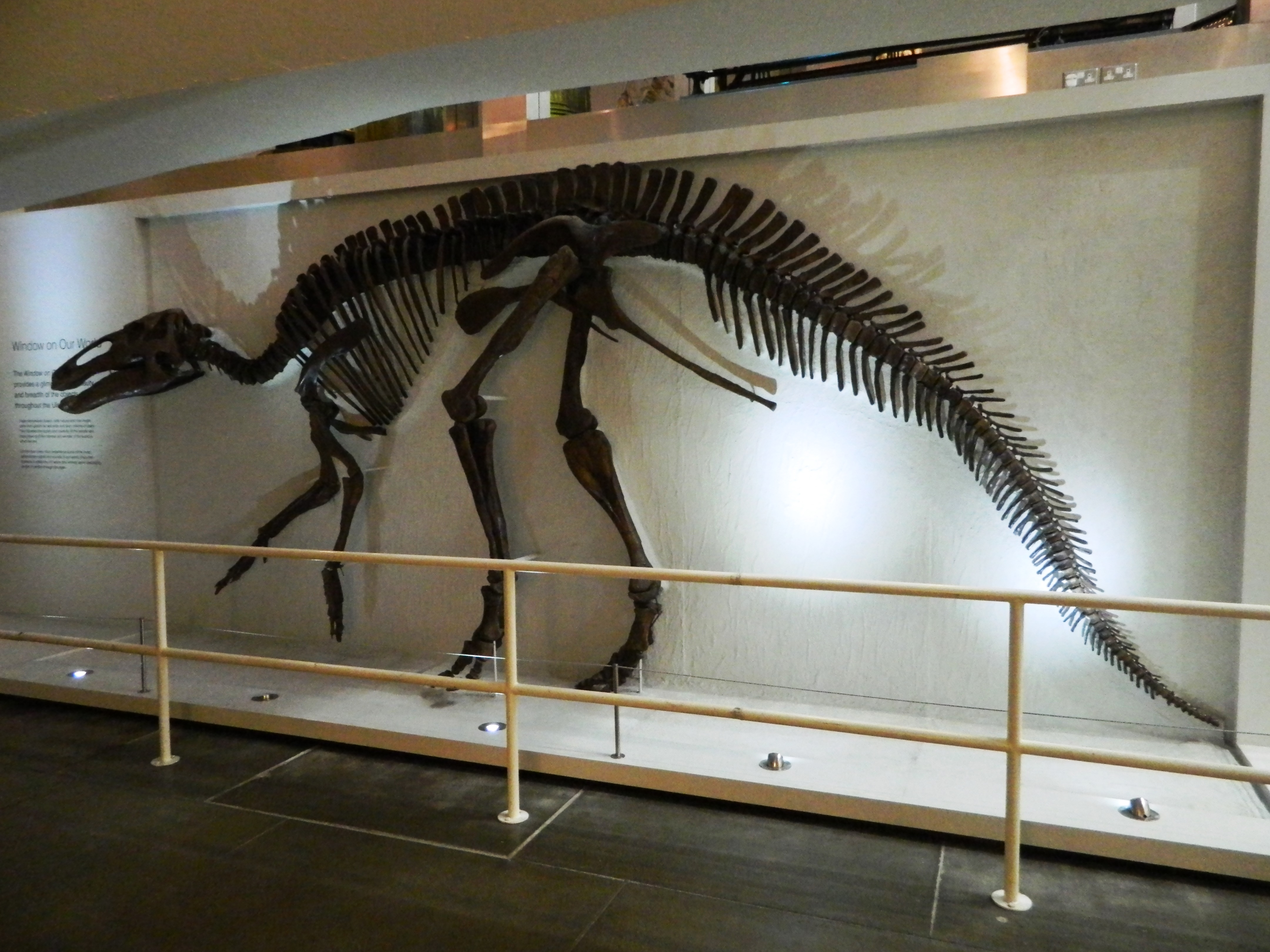


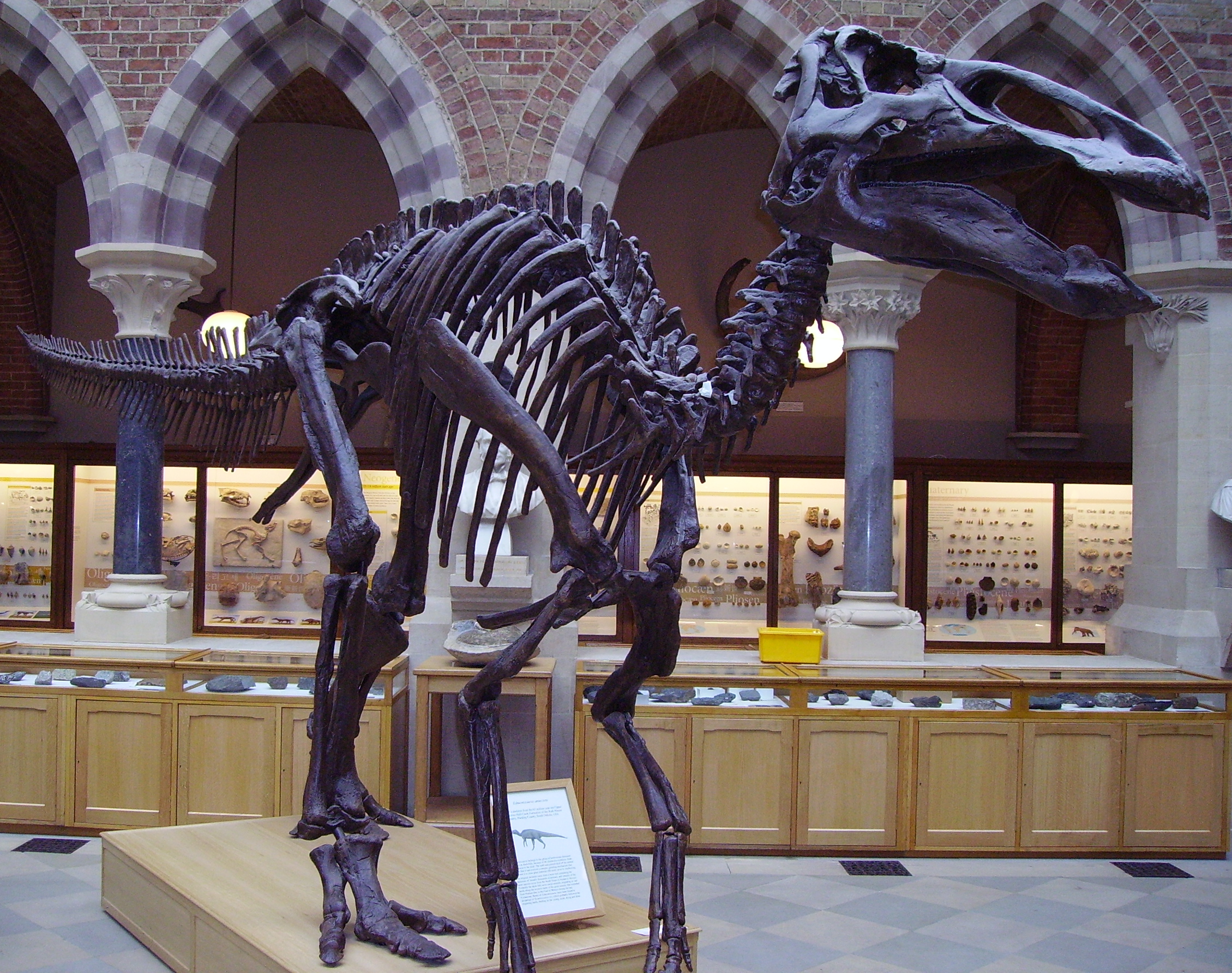
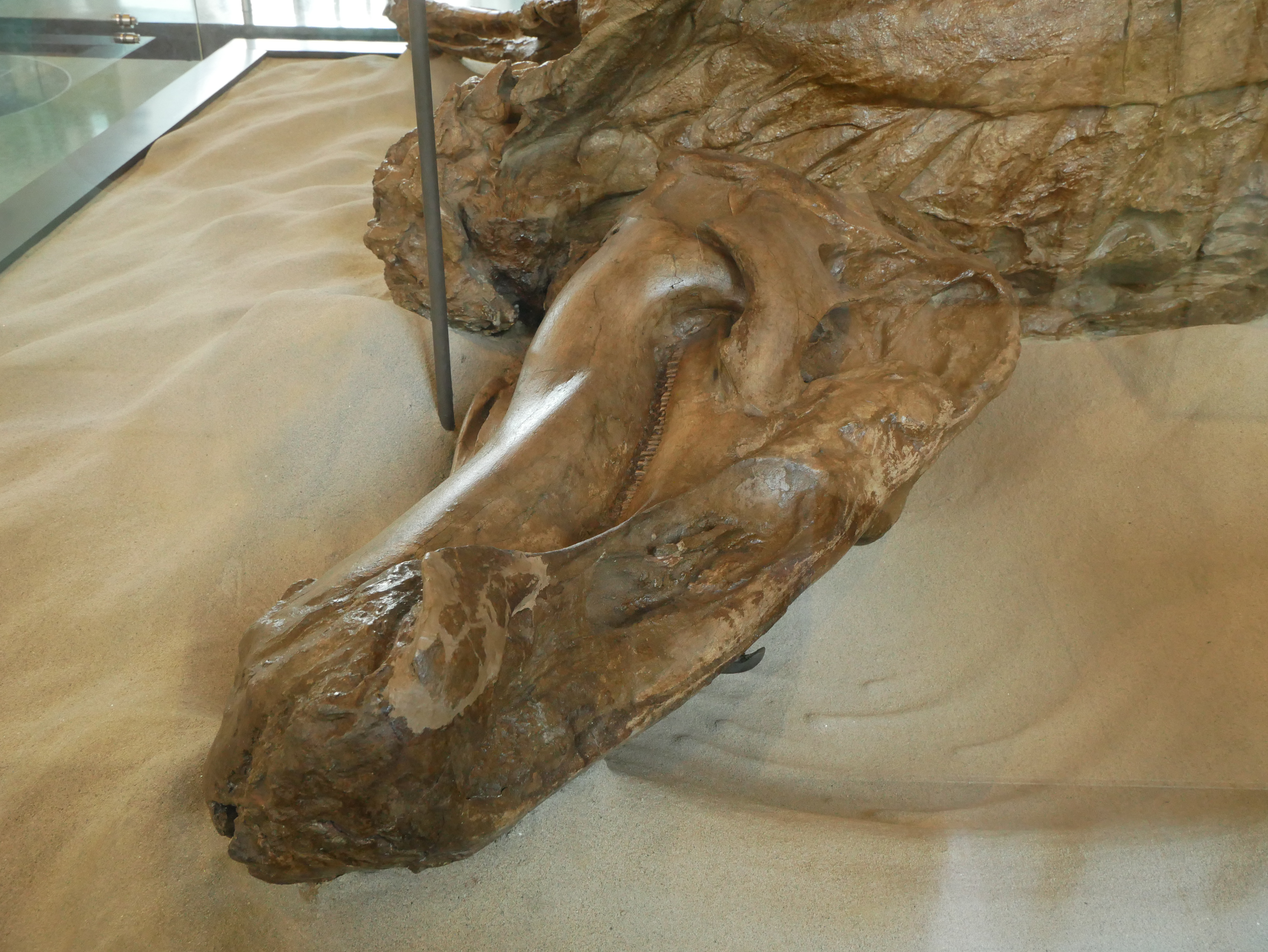

Modern reconstruction of Edmontosaurus annectens based on recent research, including the discovery of keratinized hooves and fleshy dorsal crest (Sereno et al., 2025).
Connor Ashbridge (Ddinodan) — CC BY 4.0
Ecology and behavior
Habitat
Edmontosaurus annectens inhabited subtropical, densely vegetated alluvial floodplains of the Hell Creek and Lance Formations in what is now the northwestern United States and Canada, 73 to 66 Ma ago. The environment was a landscape of coastal plains with open forests of angiosperms, conifers, ferns, and ginkgos, near rivers and estuaries emptying into the Western Interior Seaway. The climate was humid subtropical, with estimated mean annual temperature of 10–17°C, much warmer than today at the same latitude. Arctic records (Prince Creek Formation, Alaska) suggest Edmontosaurus populations reached polar latitudes.
Feeding
Herbivore with the most sophisticated dental battery of all dinosaurs: up to 60 tooth families with approximately 300 teeth per dentary, organized in six layers of differentially hard tissue for self-sharpening during wear (Erickson et al., 2012). Microwear analysis (Williams et al., 2009) indicates a pleurokinetic jaw mechanism with near-vertical chewing and slight anteroposterior movement, geared to process abrasive low vegetation such as grasses and shrubs. Probably grazed in quadrupedal posture and raised neck in bipedal posture to reach higher foliage. The dental battery was continuously replaced throughout life.
Behavior and senses
Evidence from multiple monodominant deposits (Ruth Mason Quarry, Hanson Ranch Bonebed, Standing Rock Hadrosaur Site) with tens to thousands of individuals indicates gregarious behavior and large herd formation. Analyses by Wosik and Evans (2022) suggest ontogenetic segregation: juveniles lived separately from adults. The 'Cretaceous caribou' model (seasonal migration from high to low latitude) is supported by isotopic data (Fricke et al., 2009), but Arctic populations may have been permanent residents (Chiarenza et al., 2020). Chronic caudal lesions in several specimens (Anné et al., 2023) suggest intraspecific interactions using the tail.
Physiology and growth
Histological analysis (Wosik & Evans, 2022) reveals rapid growth, reaching 95% of adult mass (~5.6 t) by 9 years, compatible with endothermic metabolism. The ability to survive in the Cretaceous Arctic (Prince Creek Formation, paleogeographic latitude ~80°N), with months of polar darkness, reinforces warm-blooded physiology. 2025 research (Sereno et al.) confirmed keratinized hooves on hind limb toes II-IV (up to 15.2 cm) and a fleshy heel pad, supporting subunguligrade posture for efficient terrestrial locomotion on soft substrates. The newly discovered fleshy dorsal crest may serve thermoregulation or social signaling functions.
Paleogeography
Continental configuration

Ron Blakey · CC BY 3.0 · Cretáceous, ~90 Ma
During the Maastrichtiano (~73–66 Ma), Edmontosaurus annectens inhabited Laramidia, the western half of present-day North America, separated from the east by the Western Interior Seaway, a shallow sea dividing the continent. The continents were in very different positions: India was drifting toward Asia, Antarctica was still connected to Australia, and South America was an isolated island.
Inventário de Ossos
Extraordinarily well-documented species, known from over a dozen complete or nearly complete articulated skeletons. Specimen AMNH 5060, the 'Trachodon mummy', preserved skin and soft tissue. The 'Dakota' specimen (NDGSv8709), found in 1999 in North Dakota, is the best preserved of the species.
Found elements
Inferred elements
Scientific Literature
15 papers in chronological order — from the original description to recent research.
Notice of new reptiles from the Laramie Formation
Marsh, O.C. · American Journal of Science
Founding paper of the species. Othniel Charles Marsh names Claosaurus annectens based on specimens collected by John Bell Hatcher from the Lance Formation of Wyoming. The holotype (YPM 575) includes an articulated skull, vertebral column, ribs, and limb elements. Marsh notes the peculiar broad, flat snout morphology typical of 'duck-billed' dinosaurs, comparing the specimen with Claosaurus agilis and concluding it represents a new species. The epithet 'annectens' (Latin for 'connected') was chosen to indicate the perceived transitional position of the animal between more primitive and more derived hadrosaur forms. This name and specimen would be reassigned to the genus Edmontosaurus decades later, when Lawrence Lambe established the genus from Canadian material in 1917.
Integument of the iguanodont dinosaur Trachodon
Osborn, H.F. · Memoirs of the American Museum of Natural History
Pioneering scientific description of the 'Trachodon mummy' (AMNH 5060), the first dinosaur found with preserved skin. Osborn documents the integumentary covering in detail: polygonal scales of 1–4 mm on the trunk and 3–9 mm on the tail, soft tissue impressions, and the body outline revealed by desiccated skin appressed to the skeleton. The analysis reveals that the animal had significantly less developed musculature than contemporary illustrations suggested, with relatively slender limbs. Osborn also describes a frill-like structure along the back. The paper opens an entirely new field: dinosaur paleodermatology. Although some of Osborn's interpretations have been revised, the basic anatomical description of the scales and integumentary pattern remains a fundamental reference for all subsequent studies of hadrosaur integument.

Global phylogeny of Hadrosauridae (Dinosauria: Ornithopoda) using parsimony and Bayesian methods
Prieto-Márquez, A. · Zoological Journal of the Linnean Society
The most comprehensive global phylogenetic analysis of Hadrosauridae to that date, using parsimony and Bayesian methods with 23 taxa and 260 characters. Prieto-Márquez formally establishes Saurolophinae (which includes Edmontosaurus) and defines its internal groups. Edmontosaurus annectens is positioned as the sister taxon to E. regalis within tribe Edmontosaurini, which is in turn the sister group of Asian Shantungosaurus. The study resolves decades of taxonomic confusion: historical synonyms such as Anatotitan, Diclonius, and Thespesius are reassessed and mostly considered invalid. Bayesian analysis provides for the first time posterior probability estimates for nodes in the hadrosaur tree, bringing statistical rigor to the phylogeny. This paper became the standard reference for hadrosaurid classification in the first decade of the 21st century.
Cranial Growth and Variation in Edmontosaurs (Dinosauria: Hadrosauridae): Implications for Latest Cretaceous Megaherbivore Diversity in North America
Campione, N.E. & Evans, D.C. · PLOS ONE
Decisive morphometric study resolving the controversial taxonomy of edmontosaurs. Campione and Evans analyze virtually all known complete skulls and conclude that only two species are valid: E. regalis (late Campanian) and E. annectens (late Maastrichtian). The controversial Anatotitan copei, often treated as a separate genus in popular dinosaur books, is synonymized with E. annectens: the morphological differences supporting Anatotitan are explained by allometric growth and ontogenetic skull size increase. The study also suggests megaherbivore diversity declined from early to late Maastrichtian before the end-Cretaceous extinction, consistent with other lines of evidence on pre-KPg ecological collapse. The authors use principal component analysis and hierarchical cluster analysis, making the paper a methodological model for hadrosaurid taxonomic studies.
Supplementary cranial description of the types of Edmontosaurus regalis (Ornithischia: Hadrosauridae), with comments on the phylogenetics and biogeography of Hadrosaurinae
Xing, H., Mallon, J.C. & Currie, M.L. · PLOS ONE
Supplementary cranial description of E. regalis types with direct implications for the phylogeny and biogeography of E. annectens. Xing et al. document previously undescribed anatomical features of the E. regalis types and revise the species diagnosis with a new autapomorphy. Phylogenetic analysis positions Kerberosaurus as the sister taxon to the Shantungosaurus + Edmontosaurus clade within Edmontosaurini, suggesting a North American origin for Hadrosaurinae with subsequent dispersal to Asia. The paper clarifies the delimitation between the two Edmontosaurus species, identifying skull features distinguishing E. regalis (relatively shorter, taller skull) from E. annectens (exceptionally long, low skull). Biogeographic analysis uses the ancestral area analysis method, pointing to Asian colonization from North America during Campanian-Maastrichtian times.
Quantitative analysis of dental microwear in hadrosaurid dinosaurs, and the implications for hypotheses of jaw mechanics and feeding
Williams, V.S., Barrett, P.M. & Purnell, M.A. · Proceedings of the National Academy of Sciences
Williams, Barrett, and Purnell apply dental microwear analysis to Edmontosaurus, microscopically examining tooth surfaces to identify patterns of scratches and pits left during life feeding. The analysis identifies four distinct scratch orientations, providing direct evidence of relative jaw movements during mastication. Results support a 'pleurokinetic' jaw mechanism: near-vertical closure with slight anteroposterior movements. The dominance of scratches over pits indicates Edmontosaurus primarily grazed on abrasive vegetation such as grasses and low shrubs rather than soft tree leaves. The study resolves decades of controversy over hadrosaurid chewing mechanics, which possessed the most sophisticated dental battery of all dinosaurs. The pioneering work demonstrated that wear analysis techniques, successfully used in mammals, could be effectively applied to dinosaurs.

Physical evidence of predatory behavior in Tyrannosaurus rex
DePalma, R.A., Burnham, D.A., Martin, L.D., Rothschild, B.M. & Larson, P.L. · Proceedings of the National Academy of Sciences
DePalma et al. present the most definitive evidence yet of active predation by T. rex: a tyrannosaurid tooth crown embedded in an articulated hadrosaur caudal centrum, surrounded by healed bone growth. The context is crucial: the presence of reactive bone tissue around the embedded tooth proves the animal survived the attack and lived for months afterward. This resolves one of the greatest controversies of 20th-century paleontology: was T. rex an active hunter or scavenger? Healed post-trauma evidence is only possible in a living animal at the time of the attack. The specimen comes from the Hell Creek Formation of South Dakota. Two fused caudal vertebrae show damaged dorsal spines consistent with a lateral rear attack by T. rex. The paper effectively ends the obligate scavenger hypothesis, though it does not rule out opportunism on carcasses.
Biostratinomic alterations of an Edmontosaurus 'mummy' reveal a pathway for soft tissue preservation without invoking 'exceptional conditions'
Drumheller, S.K., Boyd, C.A., Barnes, B.M.S. & Householder, M.L. · PLOS ONE
Drumheller et al. analyze a newly prepared Edmontosaurus 'mummy' specimen and identify carnivore feeding marks on preserved soft tissue, the first known examples of carnivore damage on dinosaurian soft tissue. The paper proposes a mechanistic model for skin preservation without 'exceptional conditions': incomplete scavenging allowed decomposition gases and fluids to escape, enabling carcass desiccation before burial. This ordinary mechanism explains why Edmontosaurus is so frequently found 'mummified': rapid burial or anaerobic conditions are not required — the carcass simply needs to dry before being fully consumed. The model has broad implications for dinosaur taphonomy and explains the geographic distribution of 'mummies' across different formations.
Osteohistological and taphonomic life-history assessment of Edmontosaurus annectens (Ornithischia: Hadrosauridae) from the Late Cretaceous (Maastrichtian) Ruth Mason dinosaur quarry, South Dakota, United States, with implication for ontogenetic segregation between juvenile and adult hadrosaurids
Wosik, M. & Evans, D.C. · Journal of Anatomy
Wosik and Evans analyze the monodominant E. annectens deposit at Ruth Mason Quarry (Hell Creek Formation, South Dakota), a catastrophic assemblage with multiple individuals, using bone histology and size-frequency distributions to reconstruct population dynamics. Five ontogenetic cohorts are identified, from juveniles at 2 years to adults over 18 years old. Growth curve analysis indicates E. annectens reached 95% of asymptotic body mass by approximately 9 years, similar to Campanian hadrosaurid Maiasaura but with a much larger final adult size. The absence of hatchlings and yearlings in the sample provides support for ontogenetic segregation: juveniles lived separately from adults during certain life cycle stages. This behavior, analogous to the 'two-speed caribou', has implications for hadrosaurid herd ecology and for interpreting monodominant deposits.
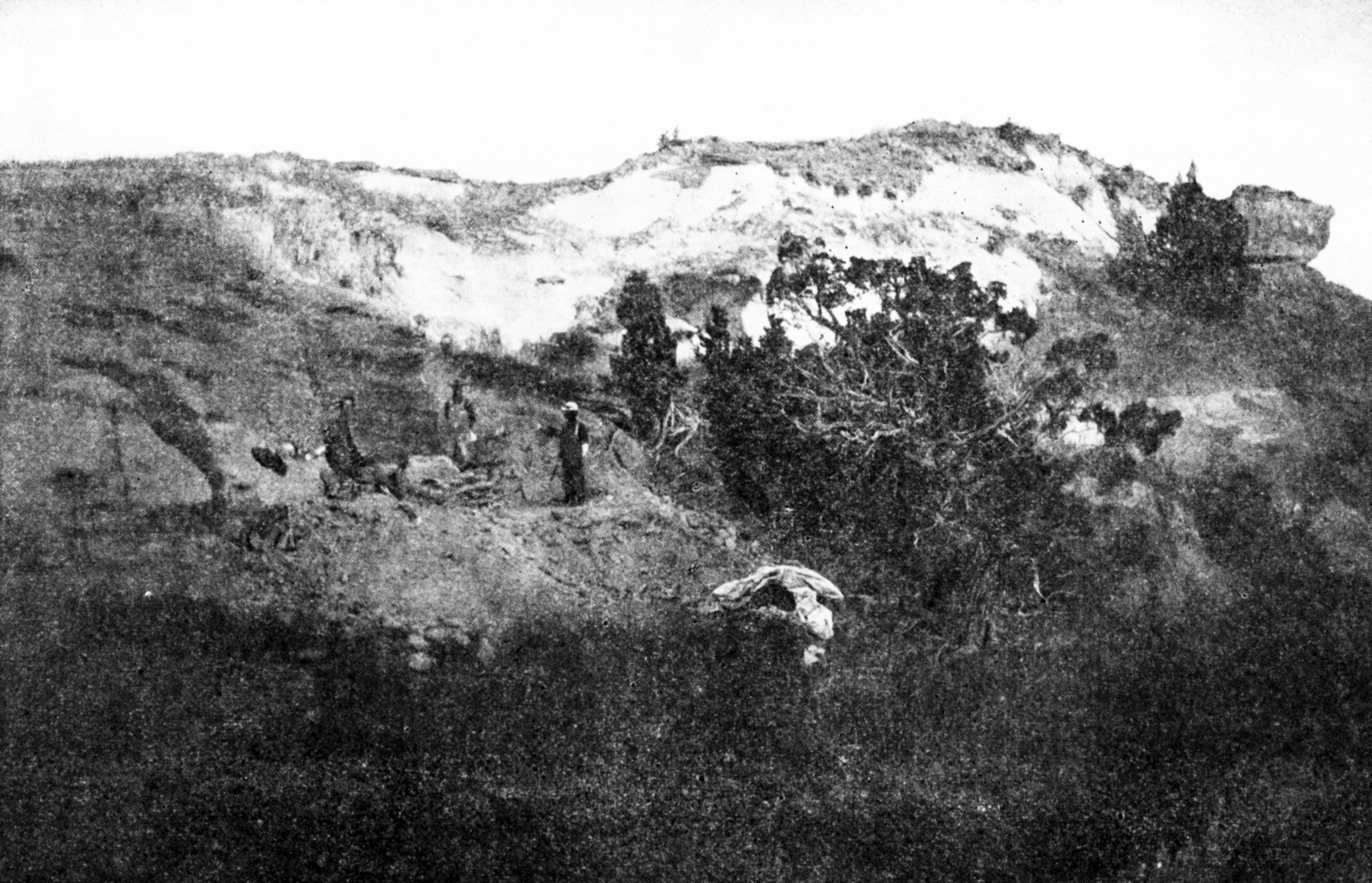
Over 13,000 elements from a single bonebed help elucidate disarticulation and transport of an Edmontosaurus thanatocoenosis
Snyder, K., McLain, M., Wood, J. & Chadwick, A. · PLOS ONE
Snyder et al. describe the extraordinary Hanson Ranch Quarry in the Lance Formation of Wyoming, which has yielded over 13,000 fossil elements predominantly from Edmontosaurus annectens over 25 years of excavation. Despite exceptional preservation with minimal abrasion or weathering, bones are completely disarticulated. Analysis reveals that hydraulic winnowing removed articulated sections before or simultaneously with transport of remaining bones by subaqueous debris flow. Selective element distribution — abundant pubes, ischia, scapulae, and long bones; rare vertebrae, ilia, and chevrons — reflects preferential transport mechanics common to Upper Cretaceous hadrosaurid bonebeds worldwide. The study demonstrates how a single monodominant deposit can reveal Edmontosaurus gregarious behavior and population structure.
Complex dental structure and wear biomechanics in hadrosaurid dinosaurs
Erickson, G.M., Krick, B.A., Hamilton, M., Bourne, G.R., Norell, M.A., Lilleodden, E. & Sawyer, W.G. · Science
Erickson et al. reveal that the hadrosaurid dental battery, including Edmontosaurus, is more complex than any living mammal tooth. Histological and micromechanical analysis identifies six distinct dental tissue types — enamel, dentine, osteodentine, cementum, supporting tissue, and ligament tissue — with differential hardness between tissues creating a self-sharpening mechanism during wear. As the tooth wears, softer tissues erode faster, maintaining sharp cutting edges in the harder enamel. This system surpasses any mammalian grinding mechanism in efficiency. The authors estimate that an Edmontosaurus dental battery could process 40% more plant material per chewing cycle than a modern horse. The paper redefines hadrosaurids as the most efficient terrestrial herbivores ever to exist, explaining their extraordinary evolutionary success in the late Cretaceous.


Re-examination of the cranial osteology of the Arctic Alaskan hadrosaurine with implications for its taxonomic status
Chiarenza, A.A., Fiorillo, A.R., Tykoski, R.S., McCarthy, P.J., Flaig, P.P. & Contreras, D.L. · PLOS ONE
Chiarenza et al. reexamine the cranial osteology of the Arctic Alaskan hadrosaurine from the Prince Creek Formation, reassigning it to the genus Edmontosaurus and ending decades of debate over whether Arctic hadrosaurids were seasonal migratory visitors or permanent residents. The material, collected above the Arctic Circle (paleogeographic latitude ~80°N in the Maastrichtian), shows diagnostic cranial features of Edmontosaurus. The presence of hatchlings and juveniles in the Prince Creek Formation suggests local reproduction, implying permanent residency. If Edmontosaurus lived permanently in the Arctic, it needed to survive months of polar darkness and temperatures well below zero, with endothermic metabolism capable of maintaining body temperature under those conditions. The paper transforms Edmontosaurus's image from migratory 'Cretaceous caribou' to permanent polar resident with robust physiology.
Molecular phylogenetics of Mastodon and Tyrannosaurus rex
Organ, C.L., Schweitzer, M.H., Zheng, W., Freimark, L.M., Cantley, L.C. & Asara, J.M. · Science
Although focused on T. rex, this work by Organ et al. uses the same molecular preservation techniques applied to the Edmontosaurus 'mummy' to phylogenetically position dinosaurs using molecular data. Collagen extracted from T. rex bone is compared with sequences from 21 living taxa, confirming the phylogenetic position of non-avian dinosaurs closer to birds than any other group. The work is directly relevant to Edmontosaurus because it uses the same type of molecular data from 'mummified' specimens and demonstrates that biomolecule preservation in Cretaceous dinosaurs is scientifically valid. Results corroborate with modern sequences the position of Ornithischia as sister group to Saurischia, and all dinosaurs as archosaurs closest to birds. The study paved the way for hadrosaurid paleoproteomics and opened the field for subsequent biomolecule analyses in Edmontosaurus specimens.


Hadrosaurid migration: inferences based on stable isotope comparisons among Late Cretaceous dinosaur localities
Fricke, H.C., Rogers, R.R. & Gates, T.A. · Paleobiology
Fricke, Rogers, and Gates analyze stable carbon and oxygen isotopes in tooth enamel from Edmontosaurus and other hadrosaurids from multiple Late Cretaceous localities to infer seasonal migratory patterns. Individuals from low-latitude localities (wintering grounds) and high-latitude localities (summer feeding grounds) show isotopic signatures consistent with migration of hundreds of kilometers. The 'Cretaceous caribou' model proposed for Edmontosaurus is evaluated quantitatively for the first time with direct geochemical data. Results are consistent with seasonal migration, though the debate on permanent Arctic residency (discussed by Chiarenza et al., 2020) shows some groups could be residents. The paper demonstrates that isotope geochemistry is a powerful tool for inferring migratory behavior in extinct dinosaurs, paving the way for subsequent paleoecology studies.


Unusual lesions seen in the caudals of the hadrosaur, Edmontosaurus annectens
Anné, J., Watanabe, A., Cruzado-Caballero, P. & Norell, M.A. · The Anatomical Record
Anné et al. use computed tomography to create 3D models of caudal vertebrae from Edmontosaurus annectens specimens and analyze unusual vertebral lesions. The distribution and morphology of lesions are most consistent with long-term biomechanical stress from lateral and dorsoventral tail motion, likely related to intraspecific interactions and locomotion in facultatively quadrupedal individuals. The lesions differ from bite marks or acute trauma, suggesting chronic overloading of caudal vertebrae during the animal's life. The study provides a unique window into Edmontosaurus behavior and locomotor biomechanics, complementing dental wear and bone histology analyses. The caudal lesions may indicate intraspecific fighting behavior using the tail as a weapon or social communication instrument, behavior observed in many modern social herbivores.

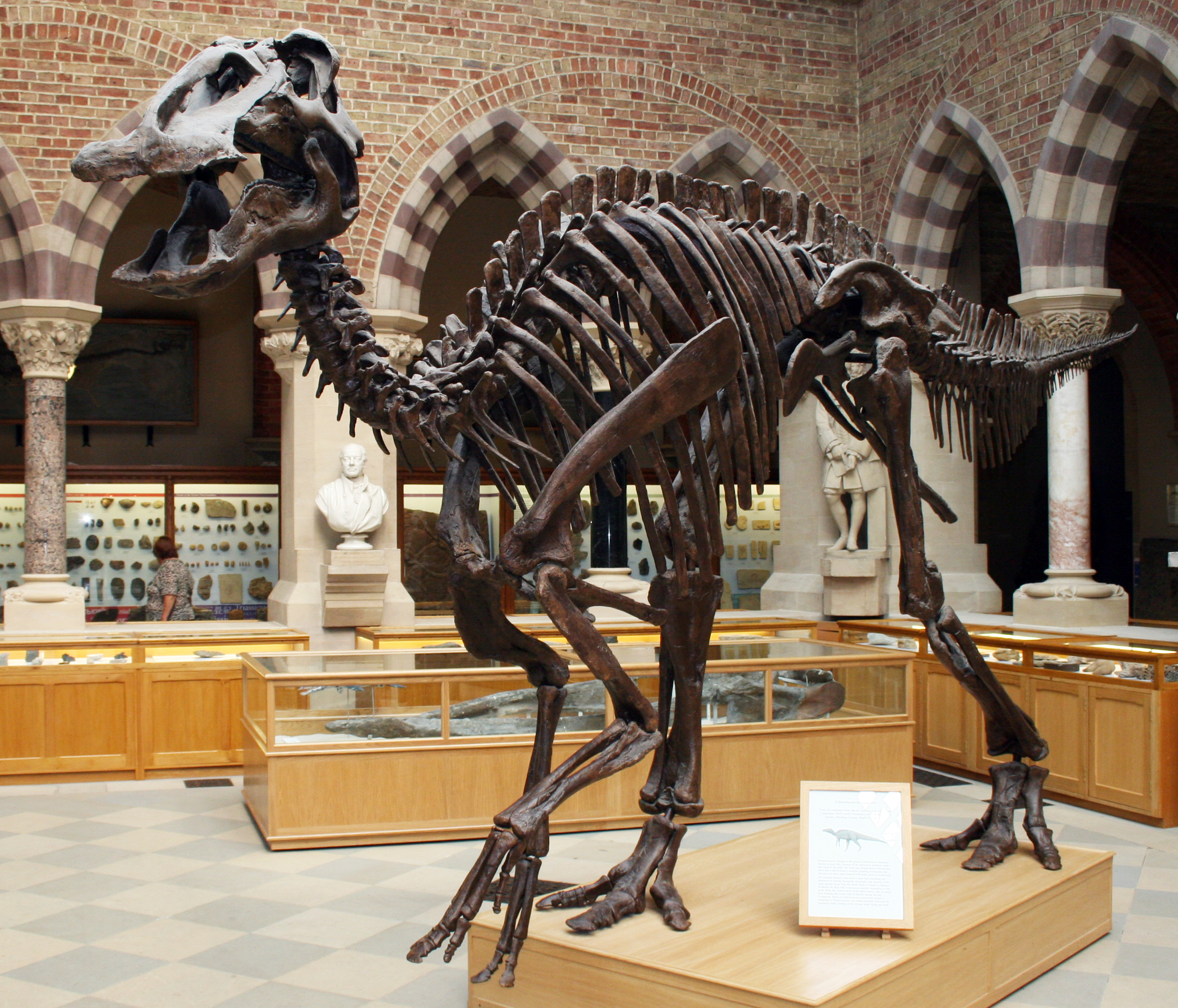
Espécimes famosos em museus
AMNH 5060 — A 'Múmia de Trachodon'
American Museum of Natural History, Nova York
The most famous Edmontosaurus specimen and the first dinosaur found with preserved skin. Discovered in 1908 near Lusk, Wyoming, by Charles Sternberg and sons, it preserved polygonal scales and the body outline of the animal. For decades considered 'fossilized skin', but 2025 research revealed it is a clay mask formed during decomposition.
USNM 2414 — Holótipo
Smithsonian National Museum of Natural History, Washington D.C.
The species holotype, collected by John Bell Hatcher from the Lance Formation of Wyoming in 1891. Together with YPM 2182, it was one of the first complete dinosaur skeletons mounted in the United States. The specimen allowed Marsh's 1892 original description as Claosaurus annectens and remains at the Smithsonian as the primary taxonomic reference.
DMNH 1943 — Espécime com mordida de T. rex
Denver Museum of Nature and Science, Denver
Specimen famous for preserving evidence of a Tyrannosaurus rex attack that the animal survived: caudal vertebrae with damaged neural spines and healed bone around the bite marks. Kenneth Carpenter documented the injuries in detail, and the specimen is a central reference for studies of T. rex predatory behavior.
In cinema and popular culture
Edmontosaurus occupies a peculiar place in popular culture: it is one of the most scientifically studied dinosaurs, but remains largely unknown to the public compared to its contemporaries T. rex and Triceratops. Its cinema debut dates to the 1925 silent era, when it appeared as 'Trachodon' in The Lost World. In 1940, Disney immortalized it in Fantasia's extinction scene, where a group of hadrosaurids perishes in the desert in one of the most emotionally resonant sequences in animation history. Decades later, March of the Dinosaurs (2011) placed the species at the center of the narrative as protagonist of an Arctic migratory odyssey. The series Prehistoric Planet (Apple TV+, 2022) offered the most accurate depiction ever: the animal with herd behavior, subunguligrade posture, and T. rex interaction based on real research. Over a century of cinema, Edmontosaurus evolved from slow, dragging reptile to agile, social, and polar herbivore. The 2025 discovery of hooves and fleshy dorsal crest will certainly transform its image further in upcoming productions.

Classificação
Descoberta
Curiosidade
The 'mummy' AMNH 5060 was so well preserved that researchers could measure the actual circumference of the animal's neck and limbs. The calculations showed that living Edmontosaurus was much slimmer than imagined: with far less developed musculature than the giant lizards that served as models for artists of the time.